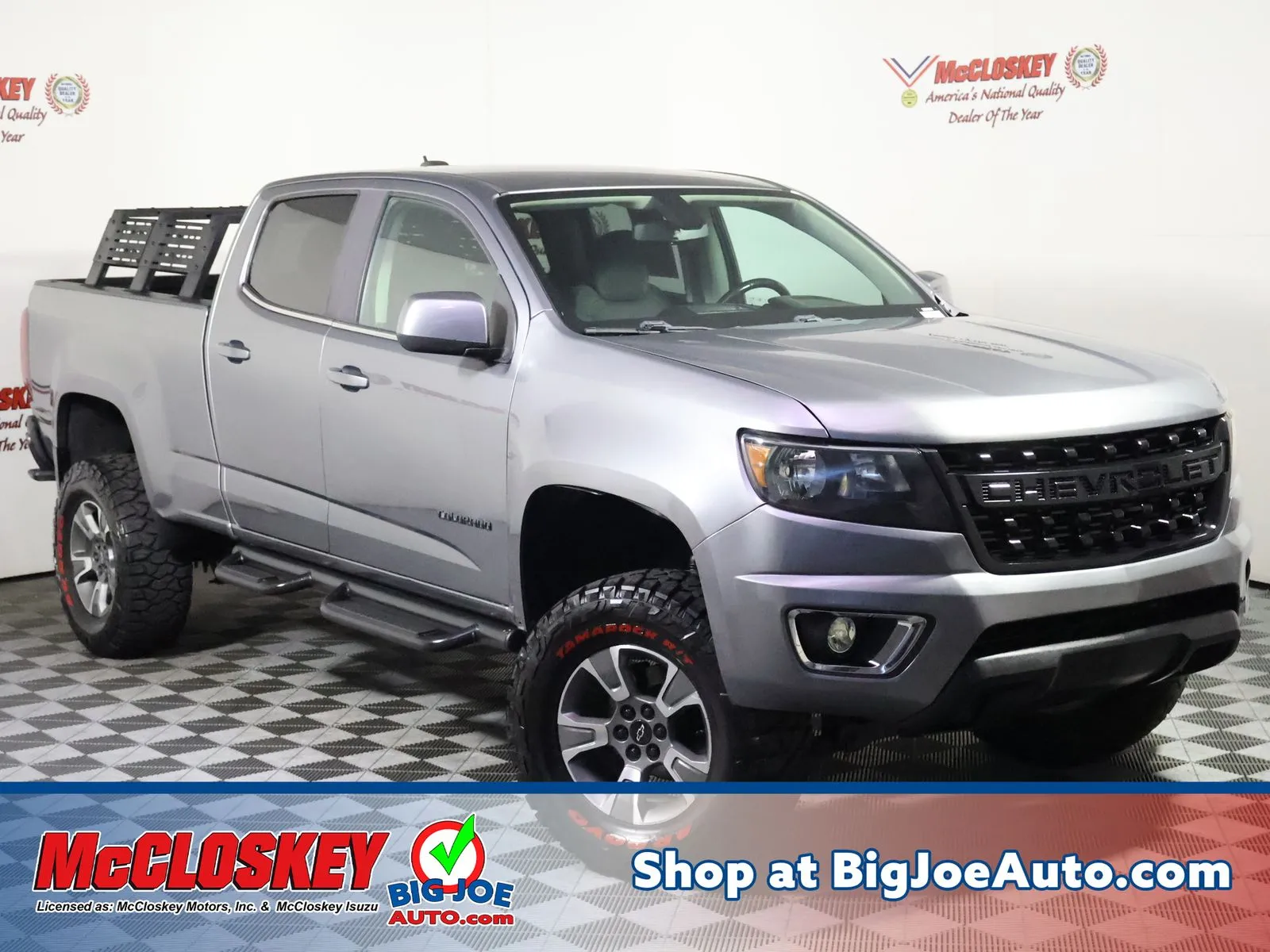
Diesel Emissions in Colorado: What DPF and DEF Really Cost You
Diesel Emissions in Colorado: What DPF and DEF Really Cost You

Diesel trucks remain practical tools for Colorado owners who tow heavy trailers, haul equipment, or cover high annual mileage on routes such as I-25 between Colorado Springs and Denver. The diesel versus gas discussion usually focuses on torque, fuel economy, and towing strength, but the maintenance costs associated with modern emissions equipment deserve equal attention. Diesel particulate filters, diesel exhaust fluid systems, exhaust gas recirculation components, sensors, and regeneration cycles can add meaningful costs when a truck is used outside its intended duty cycle.
This guide explains what DPF and DEF systems do, how short trips around Colorado Springs can create problems, and what owners may spend on cleaning, repairs, and replacements. We will also cover which drivers should still consider diesel power and which buyers may be better served by a gas-powered truck.
A diesel particulate filter captures soot before it reaches the exhaust
A diesel particulate filter, or DPF, sits in the exhaust system and captures soot created during diesel combustion. The filter does not last indefinitely because ash and carbon gradually accumulate inside its channels, particularly when the truck spends much of its time idling, commuting, or operating under light loads. The engine control system monitors exhaust temperature, pressure, and soot loading to determine when the filter needs to regenerate. When the system works as designed, a DPF can last for many miles before requiring professional cleaning, although vehicle age, mileage, maintenance history, and duty cycle all affect that interval.
Passive regeneration: This occurs when sustained driving creates enough exhaust heat to burn accumulated soot naturally, often during extended highway travel.
Active regeneration: The truck adds heat through fuel and engine-control strategies to burn soot when the DPF reaches a specified loading level.
Forced regeneration: A technician commands a regeneration with a scan tool when the vehicle cannot complete the process on its own. This may cost roughly $100 to $300 or more, often in addition to a $100 to $200 diagnostic charge.
Colorado Springs driving can be demanding for a diesel emissions system because a truck may spend the week moving between Academy Boulevard, Fort Carson, work sites, and short errands before taking an occasional longer trip. Cold starts, stop-and-go traffic, extended idling, and interrupted regeneration cycles can prevent the exhaust from reaching the temperature required to burn soot. Elevation is not automatically a reason for DPF trouble, but the combination of altitude, winter temperatures, light-duty use, and short trips can expose an emissions system that is already marginal.
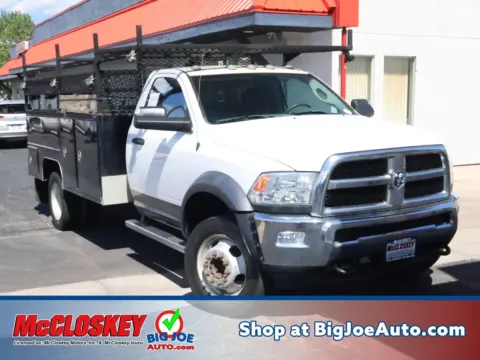
DEF is inexpensive to refill, but the system behind it is not
Diesel exhaust fluid, or DEF, is a solution of urea and deionized water used by the selective catalytic reduction system to reduce nitrogen oxide emissions. DEF is injected into the exhaust, where it helps convert those emissions into nitrogen and water vapor. It does not mix with diesel fuel, and putting DEF into the fuel tank can cause serious damage, so the two fill points should always be treated separately.
Most modern light-duty diesel pickups use approximately one to two gallons of DEF per 1,000 miles, although towing, idling, payload, ambient temperatures, and driving style can change that rate. Many owners refill every 2,000 to 4,000 miles, depending on tank size and how much warning range remains. DEF at a truck-stop pump commonly costs about $3 to $4 per gallon, while retail jugs may run approximately $4 to $6 per gallon or more. At 15,000 miles per year, a typical light-duty owner may use 15 to 30 gallons, producing an estimated annual DEF cost of roughly $75 to $180, with heavy towing and retail purchases potentially pushing that figure higher.
The fluid itself is not usually the expensive part. DEF tanks, pumps, injectors, heaters, NOx sensors, and wiring can fail, and individual repairs may range from several hundred dollars to more than $1,000 depending on the component and truck. A warning message should not be ignored because many trucks eventually limit speed or power when the DEF system detects an empty tank, poor-quality fluid, or an emissions fault. Checking DEF quality and service records is therefore part of evaluating any used Colorado diesel for sale near me search.
DPF cleaning is manageable, while replacement can reach the thousands
A DPF that is loaded with soot may respond to a completed regeneration, but regeneration cannot remove the ash that remains after repeated combustion cycles. When ash accumulation restricts airflow, a shop may remove the filter and clean it with specialized pneumatic, thermal, or ultrasonic equipment. Professional DPF cleaning for a light-duty pickup commonly falls in the $300 to $600 range, although removal difficulty and contamination level can raise the bill.
Replacement becomes necessary when the filter is cracked, melted, contaminated with coolant or oil, or damaged beyond cleaning. A light-duty DPF replacement commonly runs about $1,500 to $4,000 or more, depending on whether the repair uses aftermarket or OEM parts and how much labor is required. Heavy-duty applications, dealer labor, and related sensor or catalyst problems can increase the total further. This is why a truck that repeatedly requests regeneration, loses power, or enters reduced-power mode should be diagnosed before continued driving turns a serviceable filter into a replacement project.
EGR components add another layer of potential expense. An exhaust gas recirculation valve may cost roughly $400 to $900 to replace, while an EGR cooler can reach $800 to $2,000 or more on some engines because of part cost and labor access. A failed EGR cooler can create coolant loss, intake contamination, overheating, or repeated emissions faults, and the problem may affect the DPF if it is allowed to continue. Modern diesel emissions repairs can therefore reach several thousand dollars when a DPF, EGR component, sensor, catalyst, and diagnostic labor are involved in the same repair.
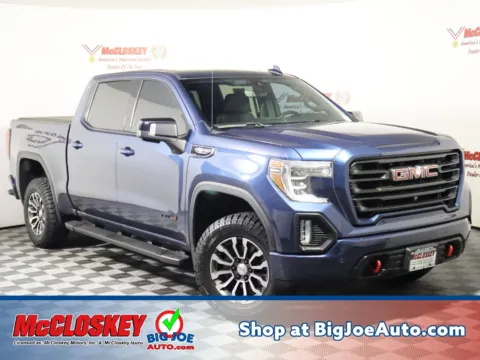
Diesel makes sense when the truck works hard and travels far
Diesel remains a sensible choice for drivers who regularly tow heavy loads, carry substantial payloads, or drive long highway distances. A diesel powertrain can provide strong low-rpm torque, stable performance under load, and useful fuel range during highway hauling. For a contractor traveling between Colorado Springs, Pueblo, Monument, and Denver with equipment behind the truck, those characteristics may justify the additional emissions-system complexity.
A diesel is usually easier to justify when the truck spends enough time at operating temperature to complete regeneration cycles. Long I-25 runs, regular trailer hauling, and high annual mileage create conditions that are generally more favorable than repeated five-mile errands. Buyers should still compare the truck’s GCWR, axle ratio, transmission condition, tow package, and documented maintenance rather than choosing diesel based only on engine size.
Gas power may be the better fit for a driver whose routine consists mostly of short commutes, school runs, local errands, or occasional light towing. A gas truck avoids DEF refills and diesel-specific emissions components, while current gas engines can provide useful towing and payload capability in half-ton and heavy-duty configurations. Lower annual mileage also reduces the fuel-economy advantage that sometimes helps offset a diesel’s higher purchase and repair costs.
Used diesel buyers should ask about emissions coverage before purchase
Emissions systems are not always covered the same way as engines and transmissions, particularly on a used truck. Buyers should ask whether the vehicle has any remaining factory emissions warranty, whether a service contract covers DPF, DEF, EGR, NOx sensors, and related components, and whether modifications affect eligibility. A vehicle history report and service records should also be reviewed for repeated regeneration warnings, deleted or altered equipment, DPF replacement, EGR work, and unresolved check-engine lights.
The McCloskey Limited Powertrain Warranty has specific qualifications and does not apply to diesel vehicles. It covers qualifying gas-engine vehicles that are 10 model years old or newer, have under 120,000 miles, and meet the program requirements, with coverage lasting two months or 2,000 miles for covered engine, transmission, transfer case, and differential components. Exotics, high-performance vehicles, altered vehicles, and diesel vehicles are excluded. Buyers considering a used diesel should review the exact coverage available for that vehicle rather than assuming a general powertrain warranty includes emissions equipment.
McCloskey Truck Town carries a 250-plus-vehicle inventory, including more than 120 trucks on one lot, with options ranging from light-duty pickups to heavy-duty work trucks. Our team can help compare a diesel’s documented condition and intended use against gas alternatives, while McCloskey Service and Repair can provide general maintenance and repair support after purchase. Inventory changes regularly, so review the current used truck inventory in Colorado Springs for available configurations.
Frequently asked questions about diesel emissions in Colorado
How often should I add DEF to a diesel truck?
Many light-duty diesel pickups use about one to two gallons of DEF per 1,000 miles, so a refill may be needed every 2,000 to 4,000 miles depending on tank capacity and driving conditions. Heavy towing, extended idling, and frequent regeneration can increase consumption. Follow the truck’s dashboard range estimate and owner’s manual rather than waiting for the warning range to reach zero.
Can short trips damage a DPF?
Short trips do not automatically damage a DPF, but they can prevent the exhaust from reaching the temperature required for a complete regeneration. Repeated interrupted regens increase soot loading, and the truck may eventually request a forced regeneration or enter reduced-power mode. If most driving occurs around Colorado Springs, periodic longer drives may help, but recurring warnings should be diagnosed rather than managed only through highway trips.
Is a diesel covered by the McCloskey Warranty?
The McCloskey Limited Powertrain Warranty applies to qualifying gas-engine vehicles that are 10 model years old or newer and under 120,000 miles. Diesel vehicles, along with exotics, high-performance vehicles, and altered vehicles, are excluded. Review the McCloskey Limited Powertrain Warranty information and ask our team about available coverage for the specific used diesel you are considering.
The practical decision comes down to duty cycle
Diesel is still a useful tool for regular heavy towing, long highway hauls, and high annual mileage, but DPF, DEF, and EGR costs should be part of the ownership calculation from the beginning. DEF refills are usually a modest annual expense, while a neglected DPF or emissions fault can create a repair bill in the thousands. Gas power may offer a simpler ownership path for short commutes, occasional light towing, and lower annual mileage.
If you are comparing a Colorado pickup for sale, researching truck sales in Colorado Springs, or evaluating truck dealers and used truck dealerships in Colorado Springs, visit BigJoeTruckTown.com to review current inventory, estimate payments, explore pre-qualification, and consider trade-in value before visiting McCloskey Truck Town at 5515 N. Academy Blvd. Our team can help you compare diesel and gas options based on how you actually drive in the Pikes Peak region.