What to Consider When Buying a Used Truck
What to Consider When Buying a Used Truck
If you're shopping for a used truck, the most important thing to consider isn't the brand, the engine, or even the mileage. The first question you should answer is simple: Do you WANT a truck, or do you NEED a truck? After years of helping customers buy used trucks, I've found that most mistakes happen when buyers start with a specific truck in mind instead of starting with what they actually need the truck to do. Whether you're towing a camper, hauling tools, transporting horses, or simply want a truck because you like trucks, understanding your real needs will help you make a much better buying decision.
Start By Asking Yourself: Do You Want a Truck or Need a Truck?
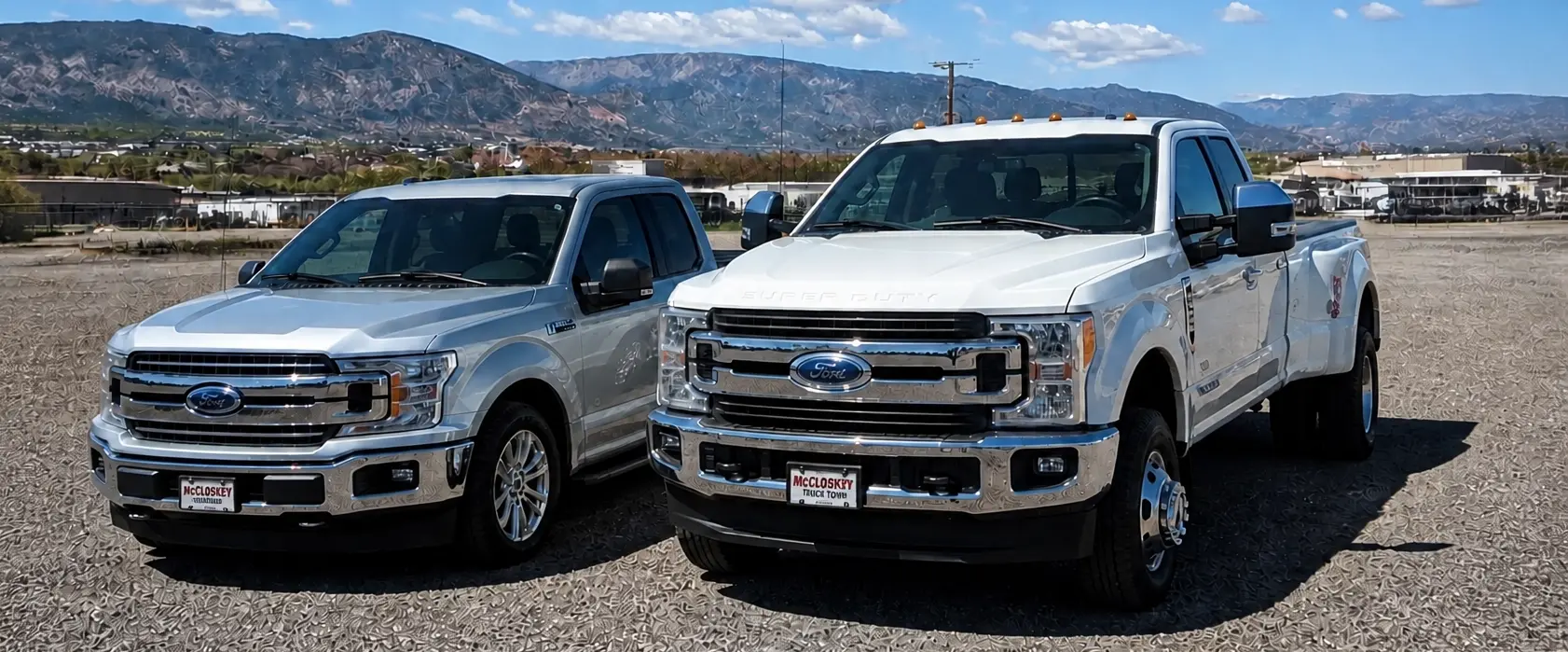
There's nothing wrong with wanting a truck. If you're buying a truck because you like the way it looks, enjoy the driving position, want the extra cargo space, or simply prefer trucks over SUVs, that's perfectly reasonable. In that case, your decision may come down more to comfort, styling, technology, features, and overall driving experience. However, if you need a truck, you need to be much more specific. Ask yourself:
- What will I be towing?
- What will I be hauling in the bed?
- How often will I use the truck for work or recreation?
- Will I be driving in the mountains?
- Will I be towing locally or across multiple states?
Just answering those questions can help a knowledgeable truck consultant point you toward the right truck and save you thousands of dollars.
One of the Biggest Mistakes Buyers Make: Buying Too Much Truck
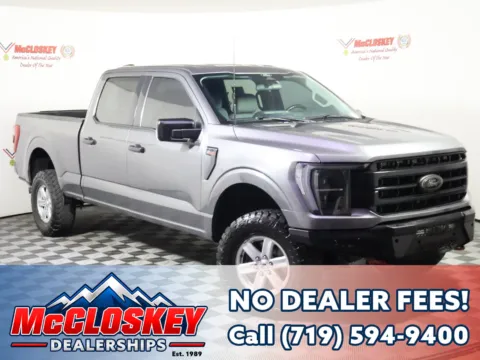
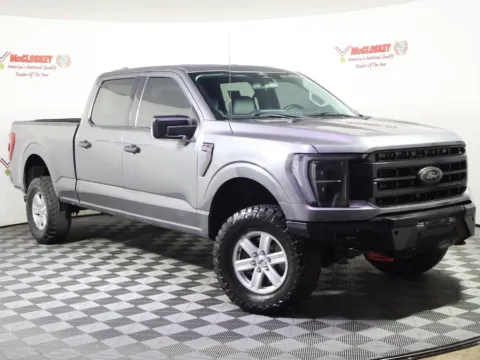
One of the most common mistakes I see is customers buying more truck than they actually need. Many buyers assume they need a diesel truck because someone told them diesel trucks tow better. While that may be true in certain situations, it doesn't automatically mean a diesel is the best choice. I once worked with an older couple preparing to travel during the summer with a small travel trailer that weighed around 3,500 pounds. They had been advised to buy a diesel truck for towing. After discussing their plans and reviewing the trailer's weight, we determined they only needed a well-equipped half-ton pickup. They ended up purchasing a Ford F-150 instead of an older diesel truck. The result? They saved approximately $10,000 on the purchase price and continue to save money on fuel and maintenance costs. The truck easily handles their trailer without forcing them to pay for capabilities they never use.
Sometimes Buyers Don't Buy Enough Truck
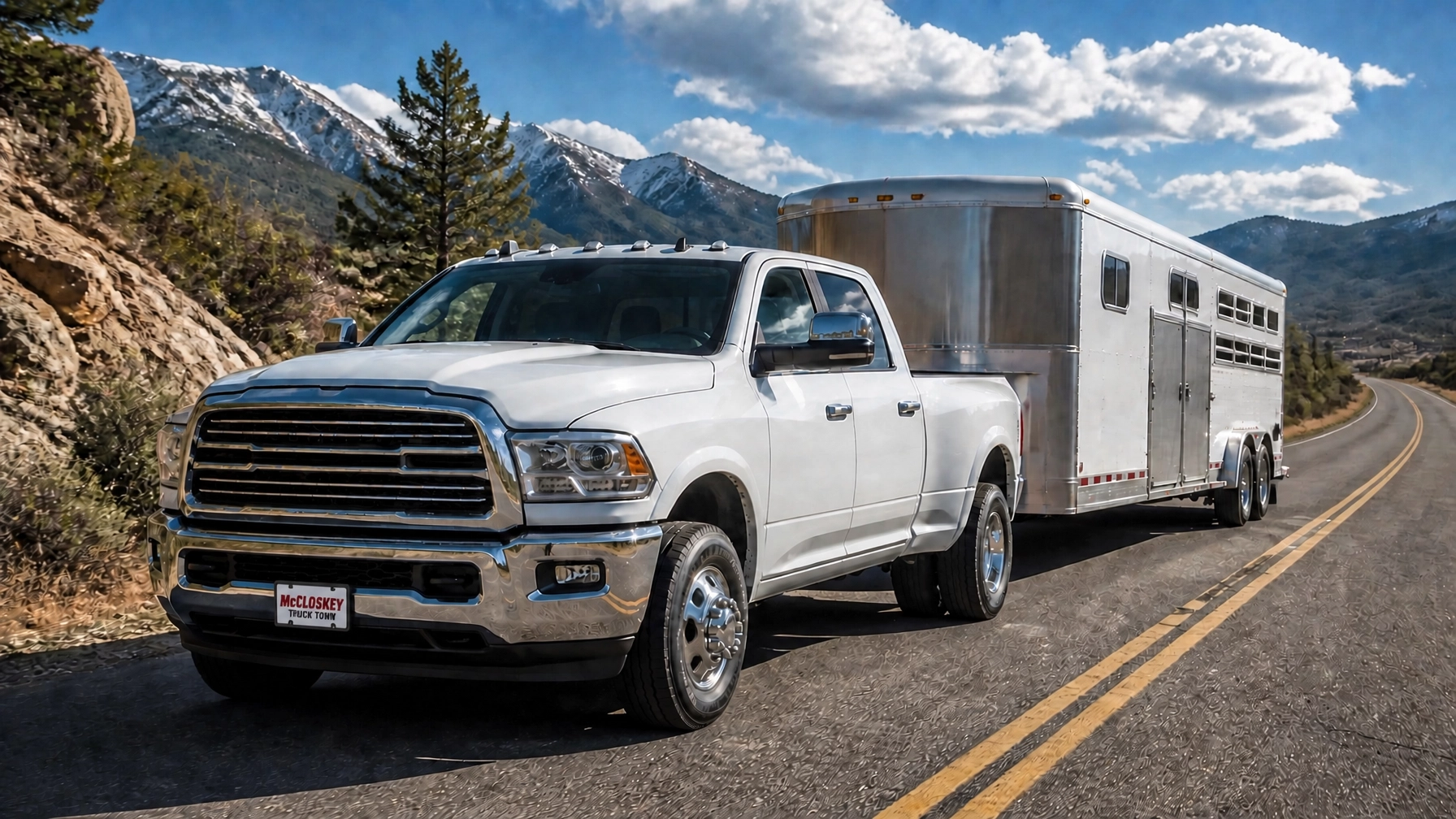
The opposite mistake can be just as costly. I worked with a young woman who wanted a pickup truck to tow a horse trailer. She was trying to save money and believed a half-ton Ram would be sufficient. Instead of guessing, we sat down and calculated everything:
- Trailer weight
- Horse weight
- Tack and equipment
- Additional gear
When everything was added together, the loaded trailer was approaching 12,000 pounds. That put her near the upper limits of what the truck could comfortably tow. After reviewing the numbers, she ultimately chose a Ram 2500. While the upfront cost was higher, she avoided years of frustration, excessive wear on the truck, and potential repair costs from constantly towing at the edge of the vehicle's capabilities. The lesson is simple: don't guess when it comes to towing capacity.
Don't Get Stuck on One Brand

Another mistake I frequently see is buyers becoming too loyal to a specific brand. Many people walk onto a lot saying: "I only want a Ford." Or: "I'll never buy a Ram." One of the biggest advantages of shopping for a used truck is the ability to compare multiple brands side-by-side at similar price points. A truck shopper may discover that a Ram offers more features than a similarly priced Ford. Another buyer may find that a Chevrolet has the towing package they need at a better value. Every manufacturer has strengths and weaknesses. Instead of shopping by badge, shop by:
- Features
- Capability
- Condition
- Price
- Overall value
You may be surprised by what you find.
What I Look For When Evaluating a Used Truck
Most buyers focus on mileage, paint color, or monthly payment. When I'm helping someone evaluate a used truck, I'm paying attention to a lot more than that.
Cargo and Passenger Space
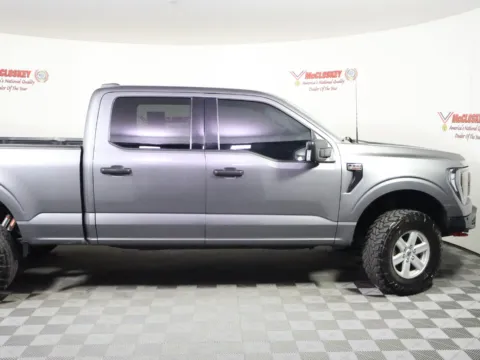
The truck needs to fit your lifestyle. How many passengers will regularly ride in the truck? Will you need a crew cab or extended cab? Will the bed be used for work equipment, recreational gear, or home improvement projects? These practical considerations matter far more than most buyers realize.
Towing Equipment and Modifications
I also pay attention to modifications. Examples include:
- Fifth-wheel hitches
- Gooseneck hitches
- Aftermarket towing equipment
- Lift kits
- Winches
- Larger aftermarket tires
Modifications aren't automatically good or bad, but they often tell a story about how the truck was used.
Overall Fit and Finish
The condition of the interior and exterior often reveals how a vehicle was cared for. A clean, well-maintained truck with normal wear usually indicates responsible ownership. On the other hand, excessive neglect in visible areas can sometimes suggest neglect in areas you can't immediately see.
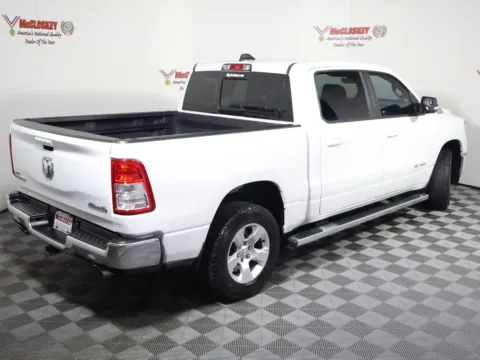
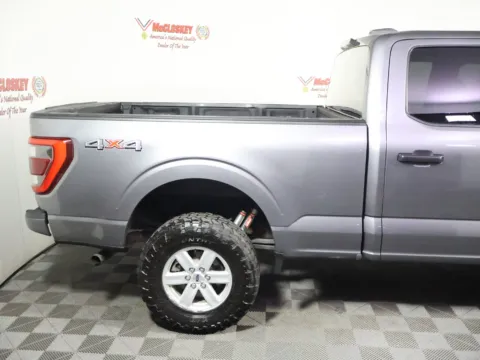
The Truck Bed Tells a Story
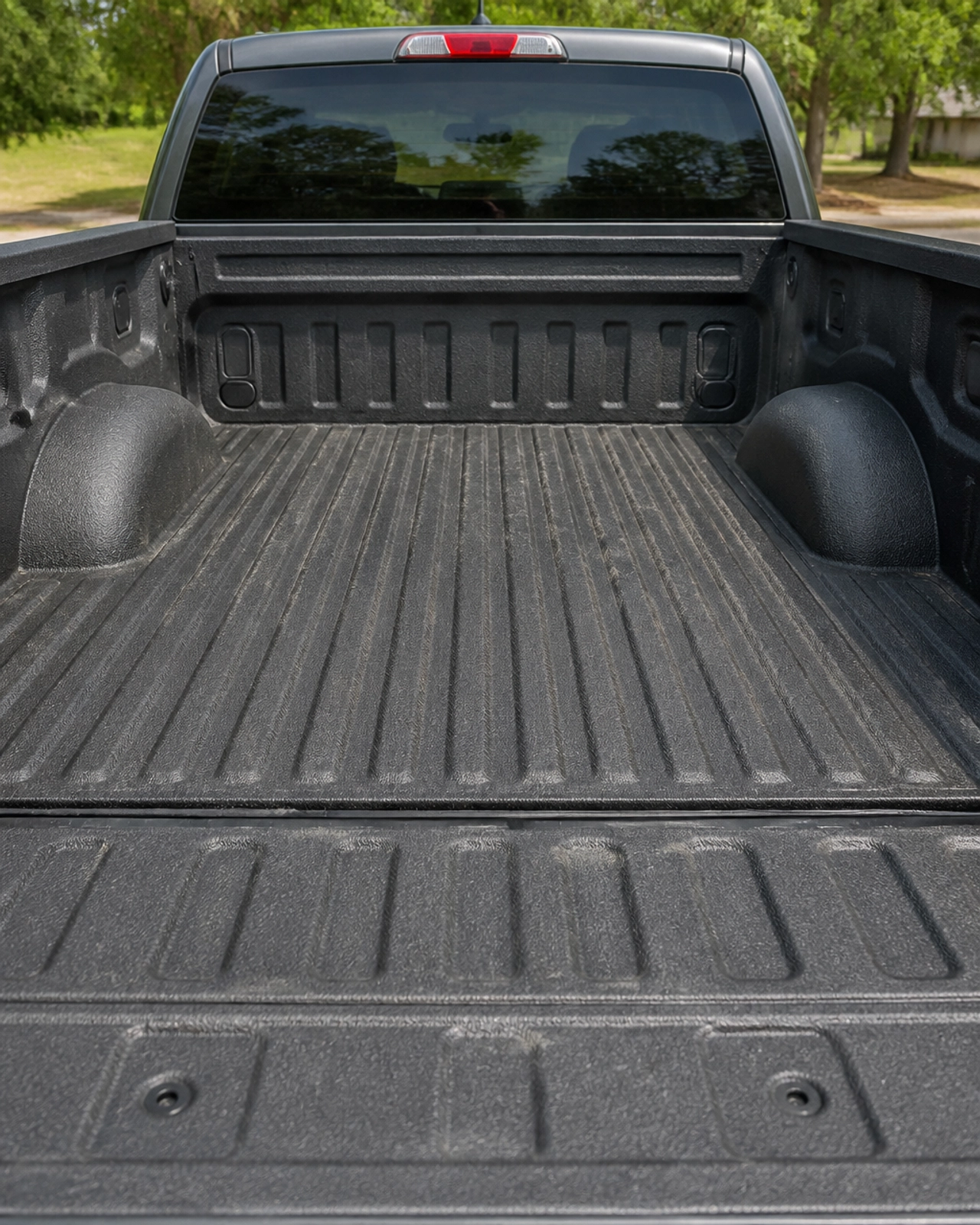
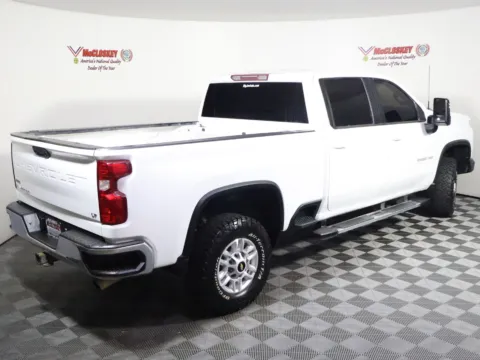
One area I pay close attention to is the truck bed. In my experience, the bed often tells the story of the truck's life. Ask yourself:
- Does the bed look heavily abused?
- Does it look like it's never been used?
- If it has been used, was it still cleaned and maintained?
A truck doesn't need to have a perfect bed to be a good truck. Trucks are meant to work. What matters is whether it appears the previous owner cared for the vehicle while using it. There's a big difference between a truck that was used and a truck that was abused.
How Much Does Mileage Matter?
Many buyers become nervous when they see a truck with more than 100,000 miles. The reality is that mileage alone doesn't tell the whole story. A well-maintained gas truck can easily provide reliable service at 100,000 to 150,000 miles and beyond. Diesel trucks are often even more durable. Seeing 200,000 miles on a diesel isn't necessarily concerning if the truck checks out mechanically and is in good overall condition. Personally, I care less about what happened years ago and more about what condition the truck is in today. I want to know:
- How do the brakes look?
- What condition are the tires in?
- How does the interior look?
- How does the truck drive?
- What does the truck bed reveal about its history?
Maintenance history is valuable, but the truck's current condition is often the better indicator of what you're actually buying.
Be Realistic About Your Budget
One final piece of advice I give truck shoppers is to be realistic about price. Everyone wants a $5,000 to $10,000 truck. Unfortunately, that's similar to wanting to win the lottery. In today's market, a truck with a healthy engine, reasonable condition, and useful features often costs significantly more than that. The key is finding the best balance between:
- Budget
- Mileage
- Age
- Features
- Capability
Whether you're comparing different brands, towing capacities, or trim levels, shopping a large selection of used trucks can make it easier to find the right balance for your needs and budget. The more realistic you are about your expectations, the easier it becomes to find a truck you'll actually be happy with.
Start here:
When buying a used truck, don't start with the truck itself. Start with the job. Determine what you'll tow, what you'll haul, where you'll drive, and how often you'll use the truck. Once you understand your actual needs, choosing the right truck becomes much easier. The best truck isn't the biggest truck, the most expensive truck, or the truck with the most impressive specifications. The best truck is the one that does everything you need it to do without costing you money on capabilities you'll never use.