Service and Maintenance Guidelines for Used Trucks near Pueblo, CO

Service and Maintenance Guidelines for Used Trucks near Pueblo, CO
Used trucks work hard, and the best way to protect capability, safety, and value is a proactive service plan tailored to our Front Range conditions. High elevation, rapid temperature swings, and steep grades across I-25 and county roads place added demand on engines, cooling systems, brakes, and transmissions. That is why our service guidance emphasizes regular inspections, factory-recommended intervals, and component-specific attention for vehicles with prior duty cycles, towing history, or aftermarket equipment. At McCloskey Truck Town, our certified technicians care for gas and diesel powertrains, 4x4 transfer cases, and modern driver-assistance systems using professional diagnostics and manufacturer-informed procedures. We handle oil services, brake jobs, alignments, electrical troubleshooting, and diesel maintenance with equal precision. If your truck qualifies for a limited powertrain warranty, maintaining manufacturer schedules and saving receipts helps preserve confidence in the engine, transmission, transfer case, and differentials. Our team can also maintain your records when serviced with us, simplifying documentation for warranty support and future resale. For owners near Pueblo, CO who commute, haul, or head into the foothills on weekends, consistency is everything: stay on time, document work, and address small issues before they become costly repairs. With disciplined care, a pre-owned pickup or commercial rig delivers long-haul reliability, tighter steering feel, stable braking on descents, and stronger cooling performance in summer heat—mile after dependable mile.
Build a Maintenance Cadence You Can Stick To
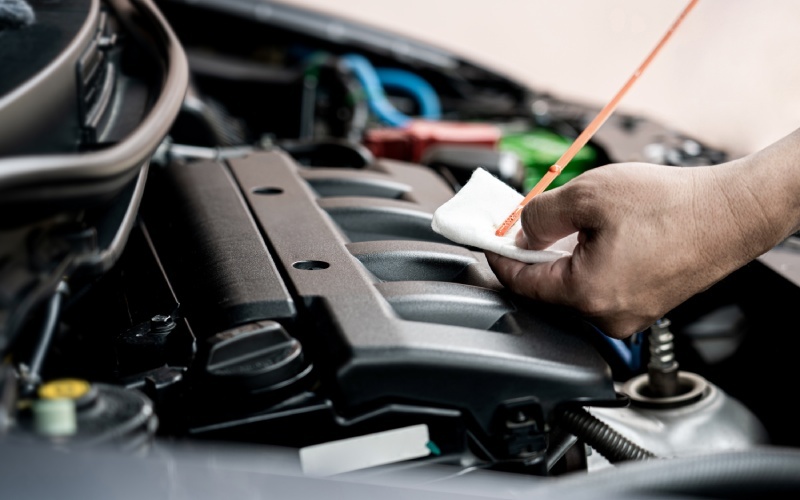
- Engine oil and filter: Follow OEM grade and interval; shorten for towing, idling, or dusty roads.
- Transmission service: Fluid/filter exchange on schedule; sooner after heavy hauling or heat events.
- Differentials and transfer case: Inspect for leaks; replace fluids at manufacturer intervals.
- Cooling system: Test coolant strength; flush per OEM, and pressure-check for small leaks.
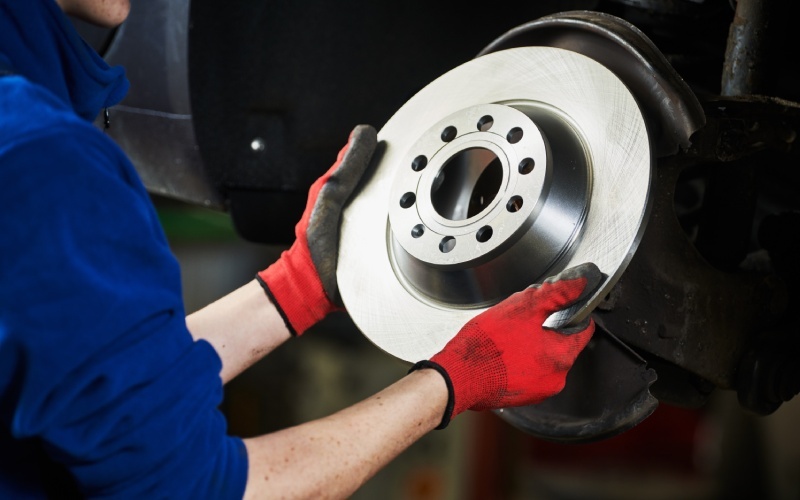
- Brakes: Measure pad/rotor wear; flush brake fluid on time for firmer pedal feel.
- Tires and alignment: Rotate regularly; align after impacts, lift kits, or uneven wear.
- Fuel and air filtration: Replace filters sooner in high-dust or off-pavement use.
- Batteries and charging: Load-test batteries; verify alternator output before winter.
Establish a realistic calendar that matches your truck’s age, mileage, and workload. For gas engines used primarily on highway commutes, OEM intervals often suffice. For diesel engines or trucks that tow, plow, or climb mountain grades, shorten intervals for oil, transmission fluid, and filters. Consider time as well as mileage—short trips, long idling, and seasonal storage all degrade fluids. Inspect brakes and tires at every oil change, and schedule alignments proactively when you notice drift, wheel shake, or rapid shoulder wear. Create a simple log—date, mileage, service performed, and parts used—and store receipts. Owners using their truck for business or fleet duty can align cadence with compliance checks to keep tax records organized. If you buy pre-owned without full records, baseline the truck: change critical fluids and filters, scan for codes, measure brake and tire life, and document everything. From there, stick to your cadence, and your used truck will feel tighter, run cooler, and stop straighter, season after season.
Fluids, Filters, Brakes, and Tires—Where Reliability Begins
The health of a used truck starts with fluids and filtration. Engine oil carries heat and contaminants; coolant regulates thermal stability at altitude; transmission fluid protects clutches and bearings under load. Replace fluids on time and test for degradation instead of guessing. Air filters keep abrasive dust out of cylinders—essential if you drive unpaved or windy routes—while cabin filters preserve HVAC performance and defog speed in cold snaps. Brake performance depends on pad composition, rotor condition, caliper slide motion, and clean brake fluid; periodic fluid replacement combats moisture absorption that lengthens pedal travel. Tire care is equally decisive: right-size load rating, proper pressure (checked cold), and consistent rotations keep contact patches uniform, which maintains traction when descending grades or navigating wet spring roads. Our service department can measure rotor runout, tire tread depth, and alignment angles, then address uneven wear at its source rather than masking it with a simple rotate-and-go. We also support diesel maintenance and fleet vehicle upkeep, including fuel system service and computer diagnostics. When you need hard-to-find items, our OEM Suzuki and Isuzu factory-authorized parts center helps source the right components for many makes, which speeds repairs and preserves build quality. McCloskey Truck Town is committed to procedures that sustain smooth shifts, cool temperatures, short stopping distances, and long tire life—foundations of confidence on every trip.
Electrical, Driveline, and Suspension—Diagnose Before You Replace
- Warning lights: Scan modules to identify root causes; avoid parts-swapping without data.
- Starting and charging: Load-test batteries; verify alternator output and ground integrity.
- 4x4 engagement: Inspect actuators, hubs, and transfer case fluid for clean operation.
- CV axles and U-joints: Listen for clicks or vibration; check boots and grease points.
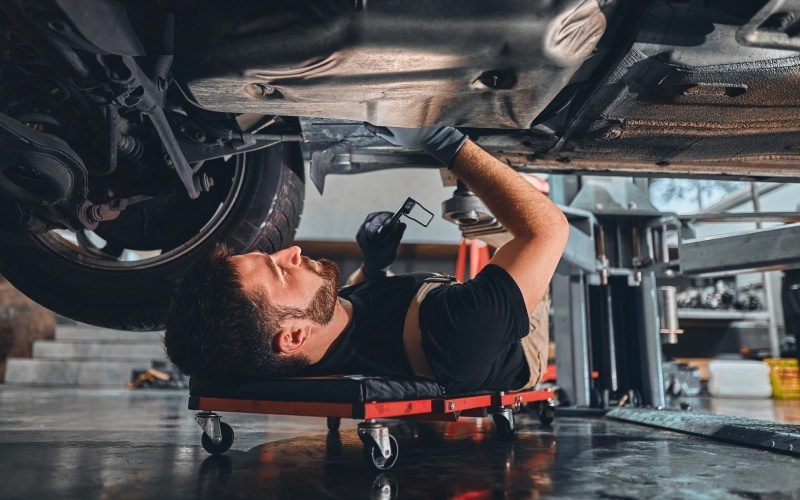
- Steering and suspension: Evaluate ball joints, tie rods, shocks, and bushings for play.
- Alignment after modifications: Re-align after lift kits, wheels, or off-road impacts.
- Electrical diagnostics: Test with schematics and voltage drop, not guesses.
- Towing and payload: Confirm brake controller function and wiring integrity.
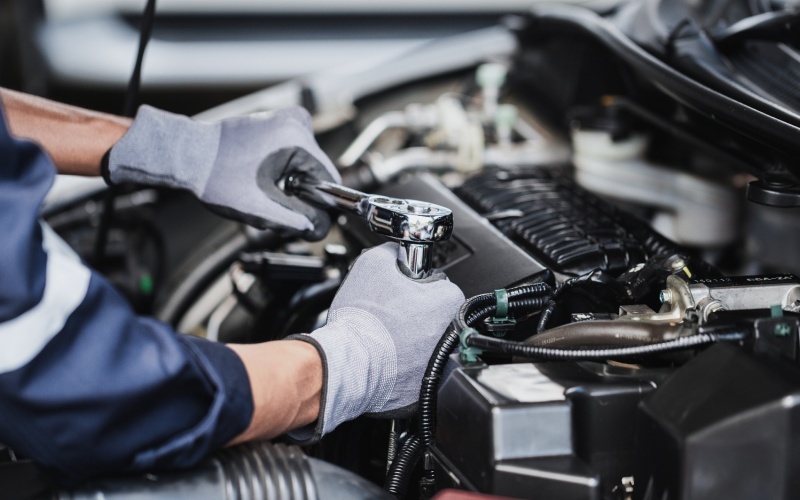
Modern used trucks combine mechanical strength with sophisticated electronics. Accurate diagnostics save time and protect budgets, particularly when previous owners added accessories. Our approach pairs scan data with hands-on tests—verifying sensor signals, grounds, and harness integrity—before recommending parts. For driveline health, we measure angles and look for telltale fluid seepage around pinion seals, transfer cases, and axle tubes. Steering feel improves markedly when worn tie rods, idler arms, or control arm bushings are corrected; shocks and struts restored to OEM spec help control brake dive and trailer sway. If you have installed a suspension lift kit, compensate with caster and toe settings that preserve return-to-center and highway stability. When downhill grades and crosswinds near Pueblo, CO meet a trailer, a healthy electrical system, tight suspension, and aligned geometry are what keep rigs tracking straight. Maintain these systems on schedule and document each service—your future self, and any warranty administrator, will thank you for complete records and a truck that performs as it should.
FAQ - Used Truck Service Essentials
How often should I service a used truck with unknown history?
Start with a baseline service: replace engine oil and filters, inspect brakes and tires, test coolant and battery, scan for codes, and service transmission, axles, and transfer case per age/mileage estimates. Then follow OEM intervals adjusted for towing, altitude, and dust.
Do I need to change fluids by time if I drive very little?
Yes. Moisture, heat cycles, and additive depletion occur even with low miles. Oil, brake fluid, and coolant degrade over time; follow the time-based interval if you have not reached the mileage limit.
What records should I keep to support a limited powertrain warranty?
Save dated receipts for parts and labor, note mileage, and list services performed at each visit. If our shop performs the work, we maintain those records for you, simplifying future claims and resale.
Are alignment checks necessary if my steering feels fine?
Yes, especially after potholes, curb impacts, or suspension changes. Slight misalignment accelerates tire wear and reduces braking stability. Proactive checks are cheaper than early tire replacement.
When is it time to replace brake fluid?
Follow the manufacturer interval or test for moisture content. In mountain driving or towing duty, earlier replacement maintains pedal firmness and improves ABS performance under heavy stops.
Your Next Steps—Schedule, Record, and Drive With Confidence
Reliable used trucks are built on consistent care. Set a cadence, baseline your maintenance if records are incomplete, and let data guide decisions—scan results, fluid condition, pad thickness, tread depth, and alignment angles. Build a simple log that travels with your glovebox: mileage, date, services, and parts. When diagnostics are needed, pair code-reading with physical inspection to confirm root causes before replacement. If your truck works on job sites or tows on weekends, shorten intervals for oil, transmission, filtration, and brake fluid to keep temperatures under control and components within spec. Our Colorado Springs service team supports gas and diesel powertrains, 4x4 systems, steering and suspension work, electrical diagnostics, and tire services that restore safety and road manners. McCloskey Truck Town is ready to help you structure a plan that fits your routes, loads, and climate. If you commute or haul near Fort Carson, Monument, or Pueblo, CO, schedule service, bring your questions, and ask us to review your maintenance log. We will outline priorities, estimate timelines, and coordinate parts so appointments stay efficient. Put your used truck on a disciplined path today, and enjoy strong starts, smooth shifts, confident braking, and stable handling wherever the road leads.