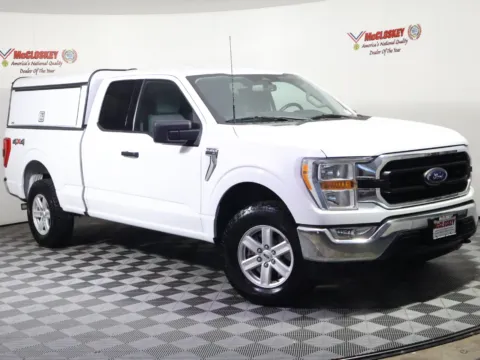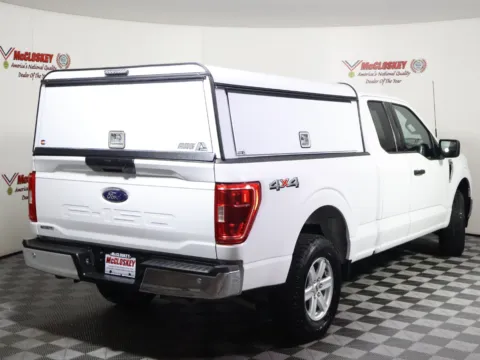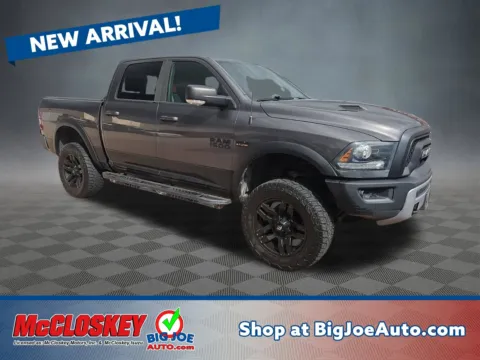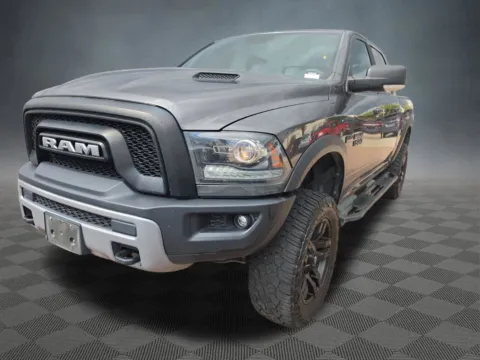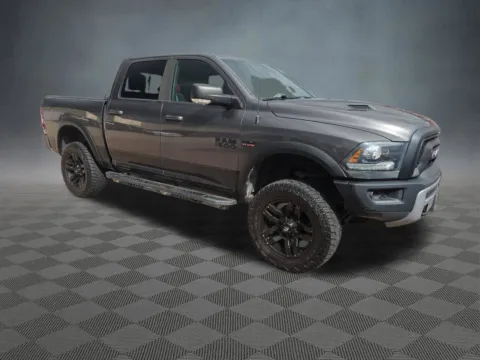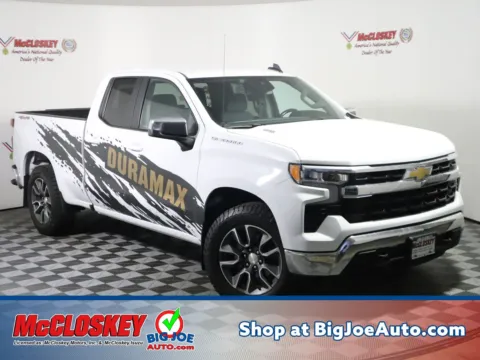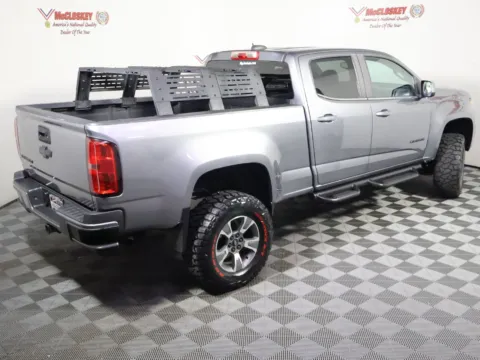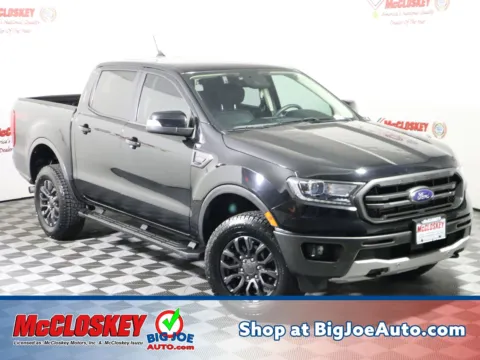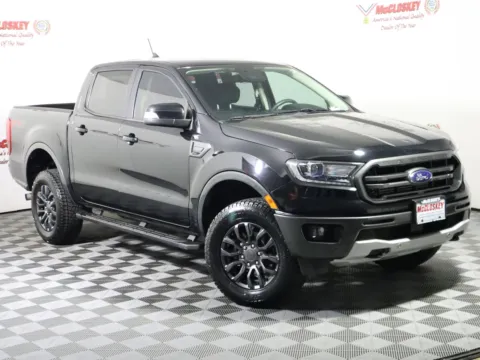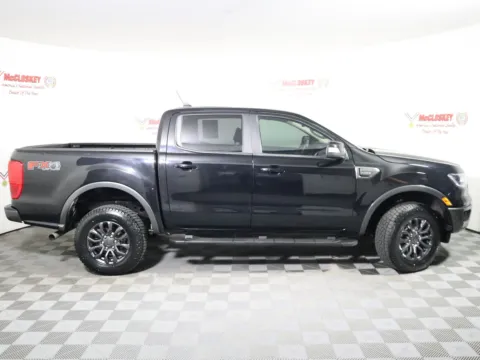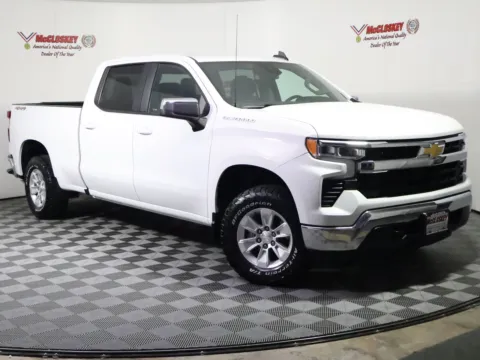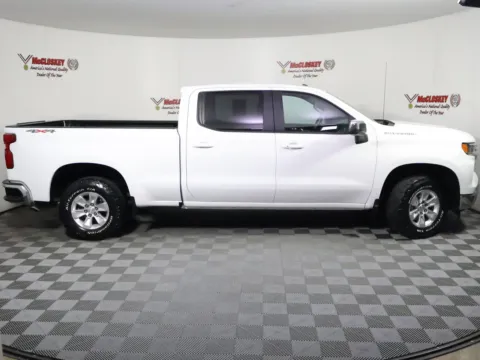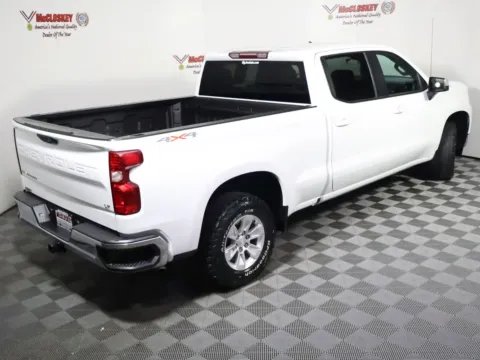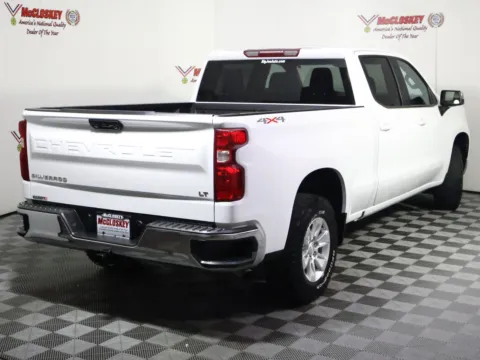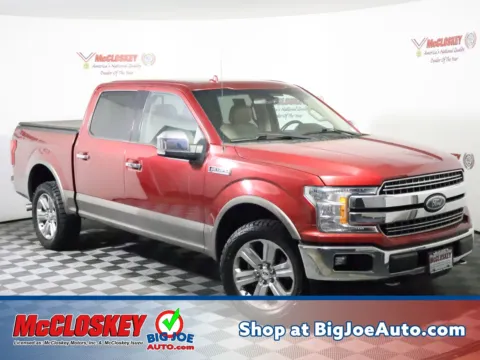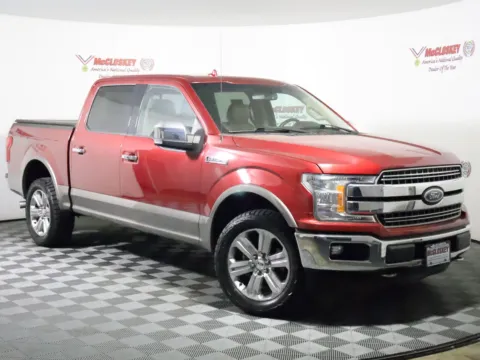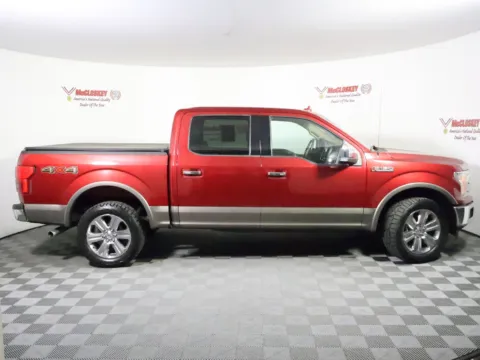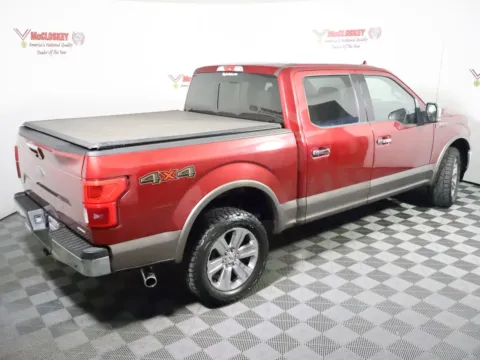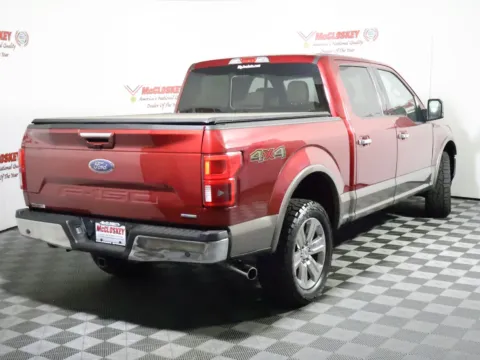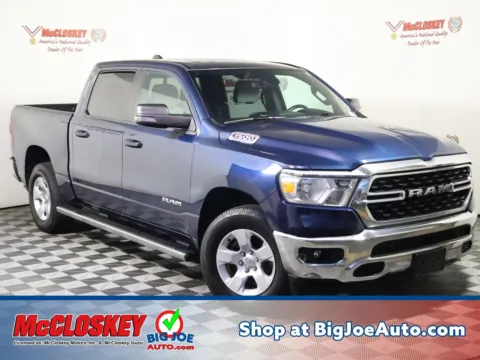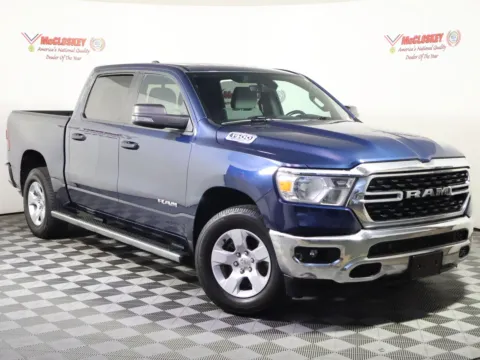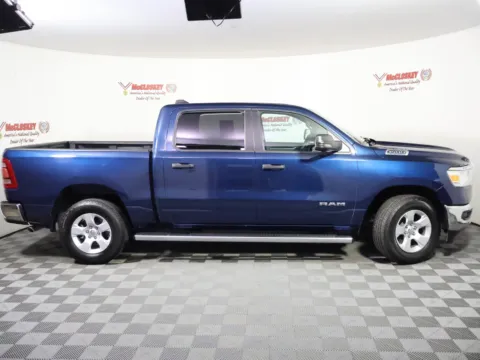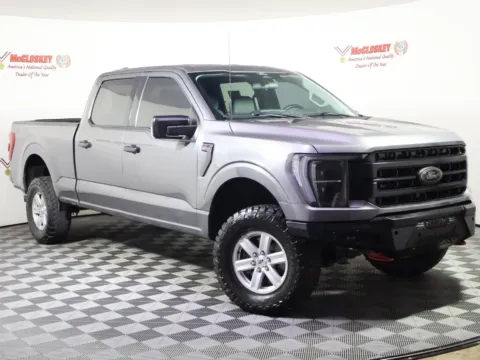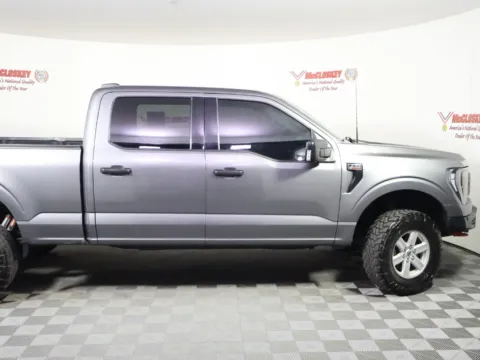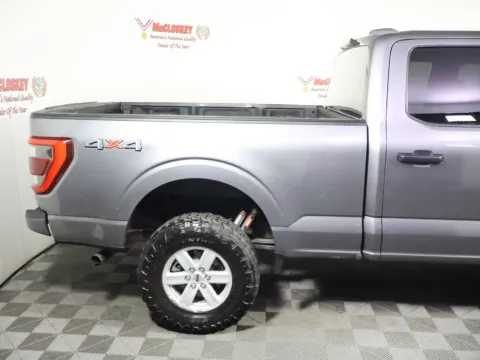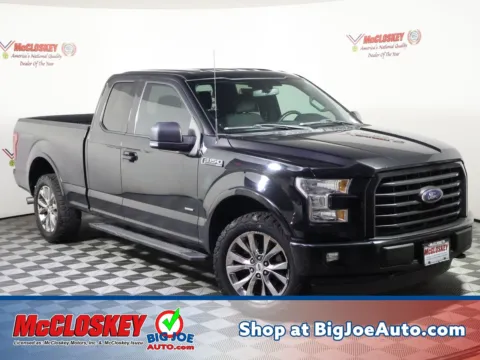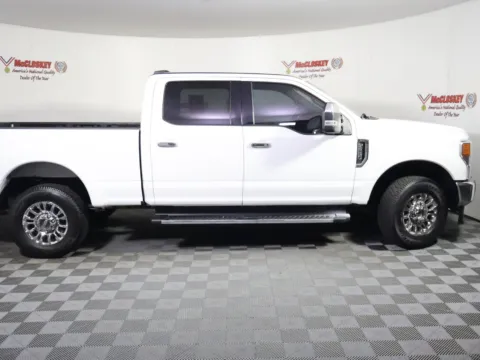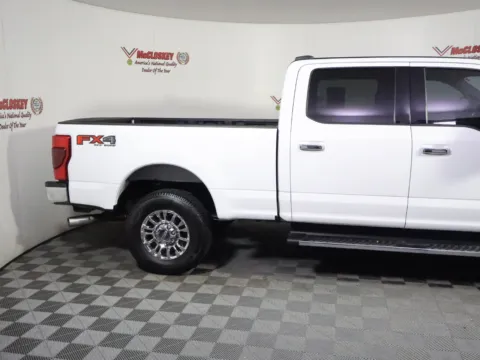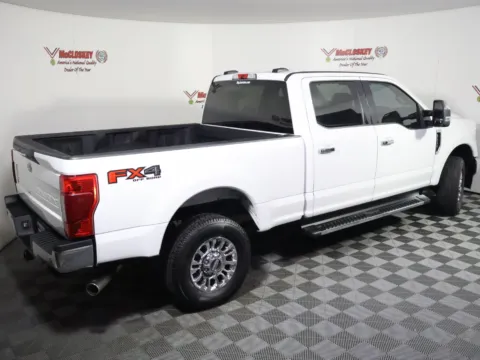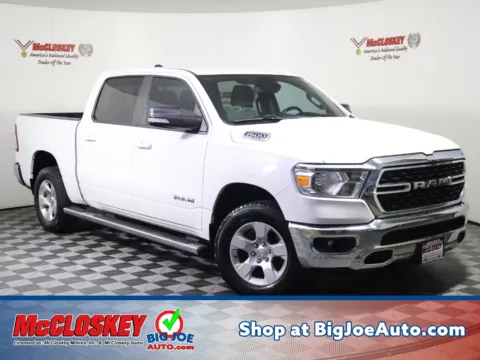
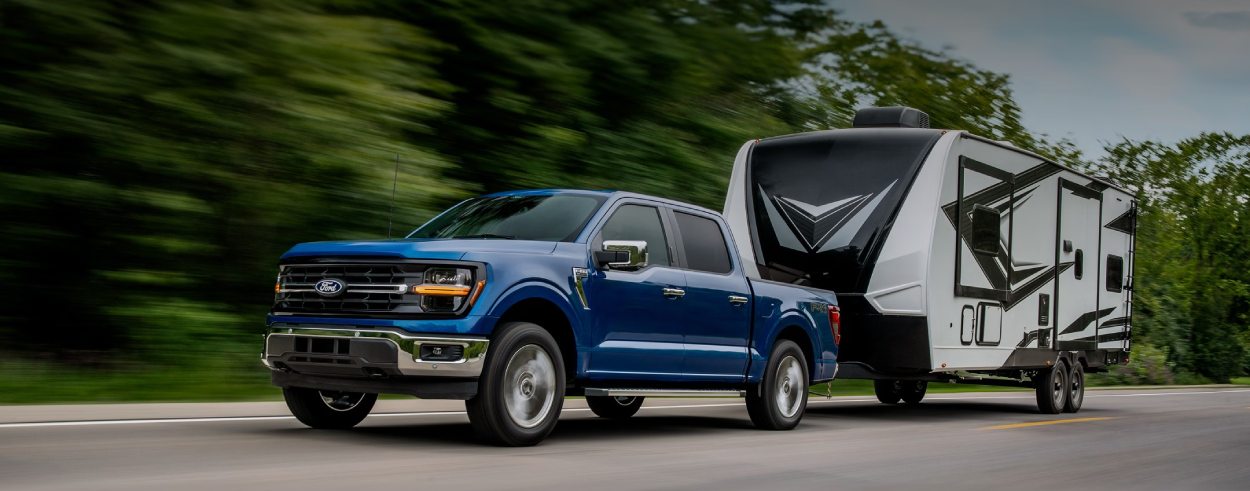
Used Ford Trucks vs Used Chevrolet Trucks in Colorado Springs, CO
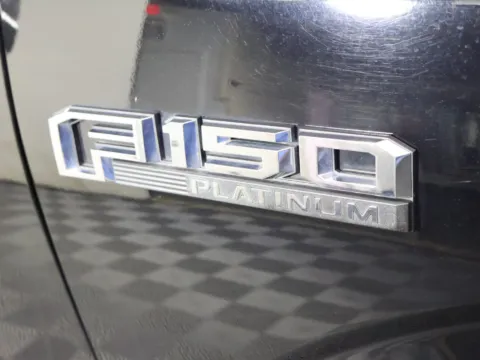
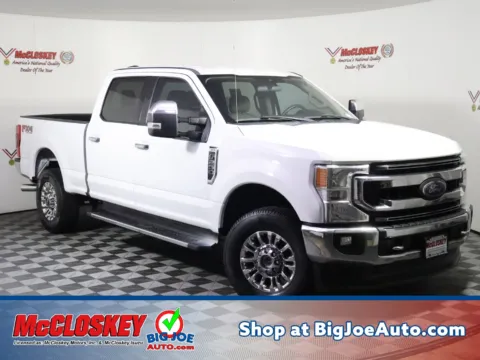
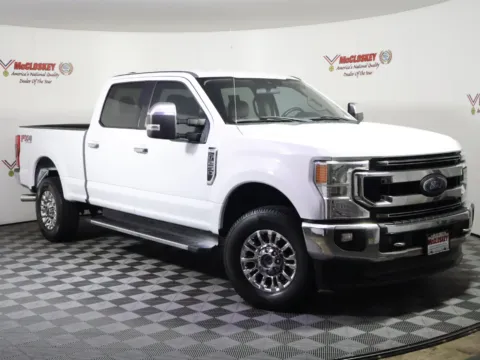
Choosing between used Ford trucks and used Chevrolet trucks comes down to how you plan to work, tow, and explore across the Front Range. Both lineups deliver proven strength, advanced driver assistance features, and practical cabin storage that make weekday jobs and weekend miles easier. Ford shoppers usually compare F-150 and Super Duty models for their broad engine lineup, aluminum-bodied efficiency, and trailering tech. Chevrolet fans often target Silverado 1500 and Silverado HD for V8 confidence, Duramax diesel torque, and robust chassis tuning that rides well with a load. Our team understands the nuances that matter for Colorado highways and mountain grades, from axle ratios and cooling packages to brake controllers and proper hitch setups. At McCloskey Truck Town, every conversation starts with use-case clarity—how much weight you tow, what you haul, and how far you drive. That approach helps identify the right trim, cab, bed, and powertrain balance without guesswork.
Shopping a used truck is about more than a name on the tailgate. You want service history, a clean title, and the towing and payload specs your tasks demand. You also want a cabin that lets you fit car seats, laptops, and gear without sacrificing legroom or visibility. We evaluate those details side by side and explain the tradeoffs. You will find features like 4x4 low range, locking differentials, integrated trailering apps, multi-function tailgates, spray-in bedliners, trailer mirrors, and all-weather mats. With high-altitude routes and shifting weather in Colorado, brake condition, tire quality, and battery health are essential — we prioritize those checks so you can focus on picking the right truck. If you prefer a streamlined process, our pre-qualification and trade-in tools help you plan confidently, and our service department supports long-term ownership with diagnostics, brakes, oil changes, diesel maintenance, and lift kit installation in Colorado Springs, CO.
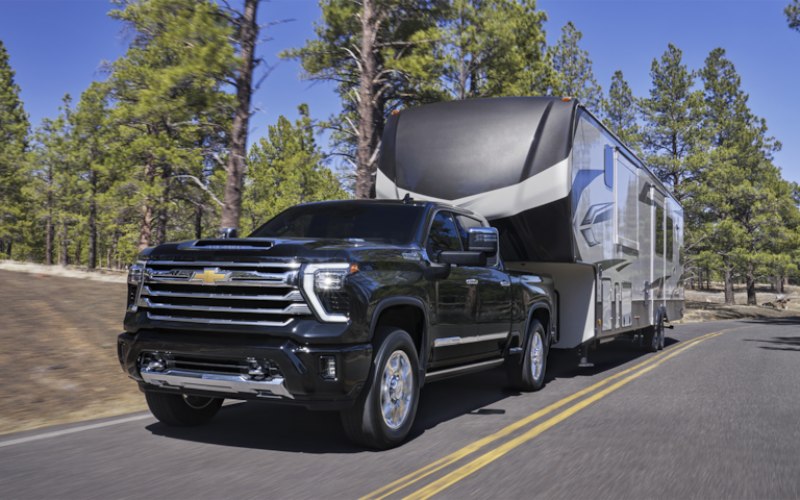
Capability and Powertrains: Ford and Chevrolet Highlights
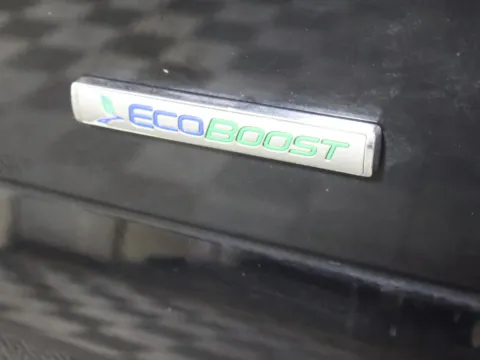
- Ford half-ton engines: EcoBoost V6 and 5.0L V8 options bring broad torque curves, confident passing, and strong tow ratings when properly equipped.
- Chevrolet half-ton engines: EcoTec3 V8 choices and the high-torque 2.7L Turbo deliver responsive acceleration and useful payload capacity.
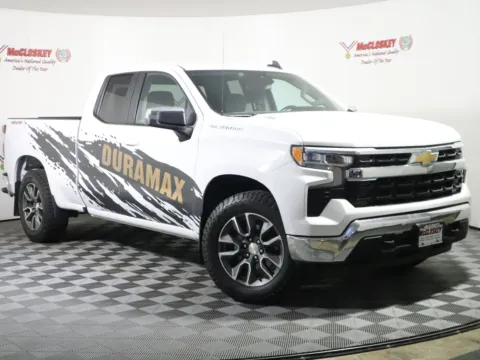
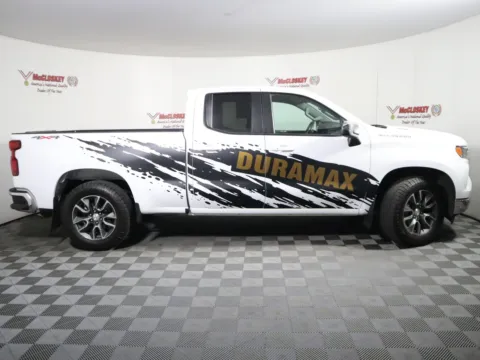
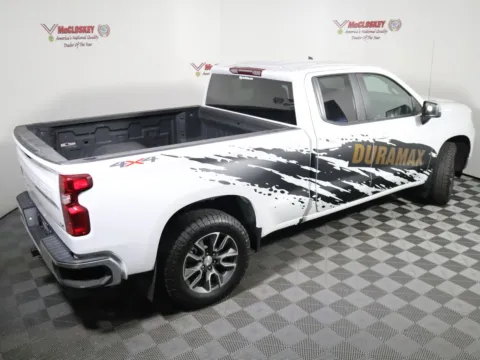
- Heavy-duty diesels: Power Stroke and Duramax platforms are built for sustained mountain-grade towing with robust cooling and exhaust braking on select models.
- Transmissions: Many late-model trucks use 10-speed automatics tuned for smooth launches, low highway rpm, and smart shift logic under load.
- Tow tech: Integrated brake controllers, trailering cameras, hitch guidance, and trailer profiles simplify hookup and monitoring.
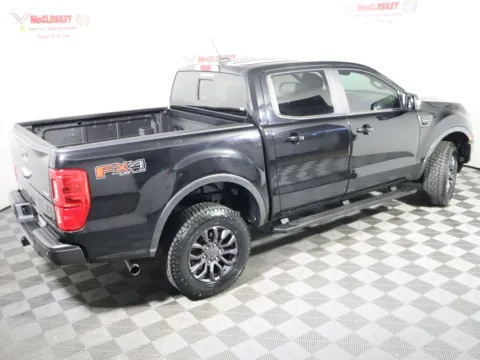
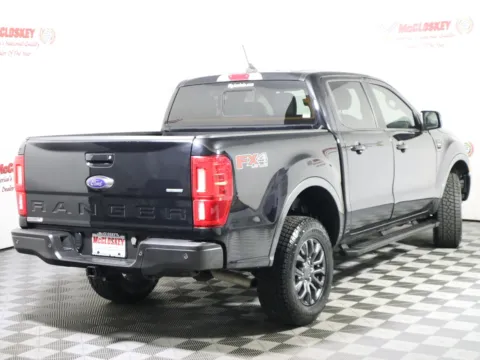
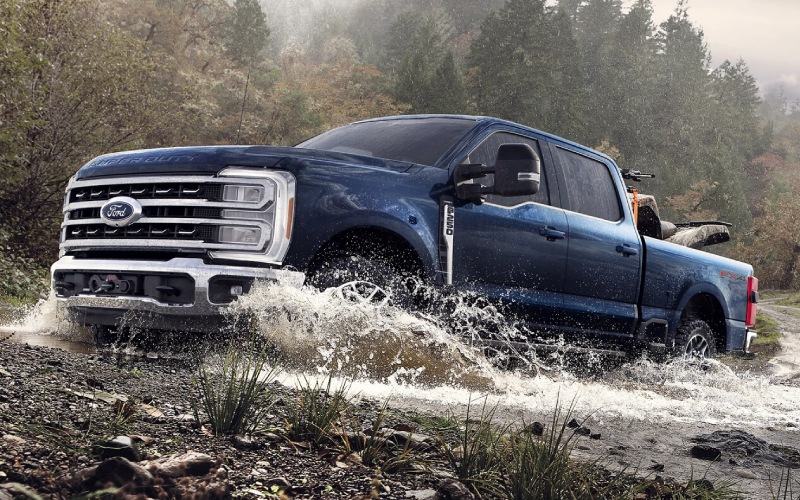
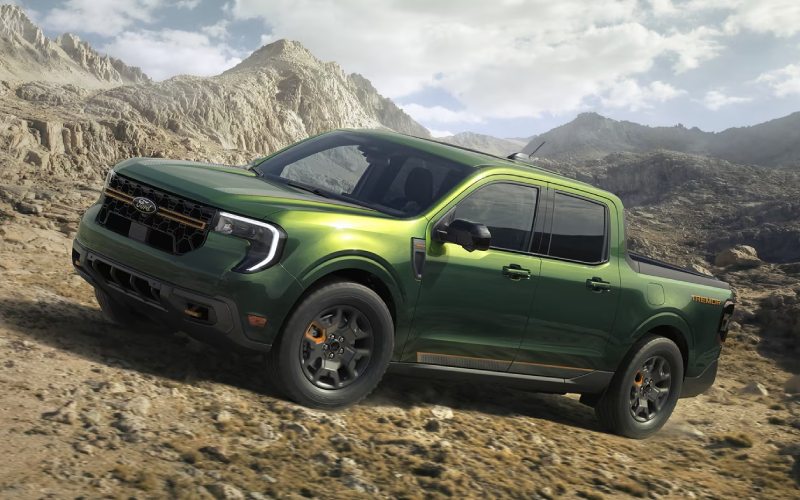
- Off-road packages: FX4/Tremor and Z71/ZR2 variants add tuned shocks, skid plates, all-terrain tires, and locking differentials on certain trims.
Capability hinges on the exact truck — engine, axle ratio, bed and cab, and whether it left the factory with the max tow package. Ford EcoBoost engines pair turbo torque with efficient cruising; Chevy’s EcoTec3 and Turbo powertrains emphasize linear response and steady load handling. Heavy-duty shoppers should weigh the benefits of diesel torque (excellent for frequent, heavy towing) against higher maintenance complexity and cost. Gas V8 options offer simpler ownership and strong reliability if you tow moderate weights. Late-model 10-speed transmissions in both brands balance acceleration and efficiency, and many trucks include selectable drive modes that adjust shift strategy under load or in snow. Before you choose, verify equipment on the actual VIN: receiver class, 7/4-pin wiring, cooling, axle ratio, mirrors, and brake controller. Our team explains how that configuration translates to real-world towing on I-25 and highway climbs in Colorado Springs, CO, then walks you through bed utility and cargo management for daily work.
Reliability, Ownership Costs, and Everyday Comfort
Both Ford and Chevrolet have long records of dependable performance in half-ton and heavy-duty segments, and the best ownership results come from proper spec, maintenance history, and routine service. For reliability, review oil change intervals, transmission servicing, coolant condition, differential fluid changes, and brake wear. Ask about service records, any open recalls addressed, and whether accessories or lift kits were professionally installed. Modern driver assistance — from blind-spot monitoring to trailer sway control and forward collision mitigation — adds confidence when traffic thickens or crosswinds kick up. Interiors have advanced significantly: supportive seats, heated steering wheels, useful console storage, and intuitive infotainment make longer days easier. Silverado cabins are known for straightforward controls, while F-150 cabins balance work-ready surfaces with thoughtful tech. To help you plan costs, factor in tires appropriate for payload and towing, high-quality brake pads and rotors, and battery replacement — items that matter at elevation and in variable weather.
For added peace of mind, qualifying vehicles may include a 2-month/2,000-mile limited powertrain warranty that covers engine, transmission, transfer case, and differential for most gas-engine vehicles that meet age and mileage criteria, with certain exclusions. Maintain the truck per manufacturer guidelines and keep service records — if you service with our team, recordkeeping is handled for you. Our service center supports broad maintenance needs, including diesel service, alignments, suspension work, electrical diagnostics, and lift kit installation. Our parts resources help you track down components across makes and model years, and our car loan calculator and quick pre-qualification simplify planning. With clear expectations and diligent upkeep, a used Ford or used Chevrolet can deliver years of faithful service and comfort.
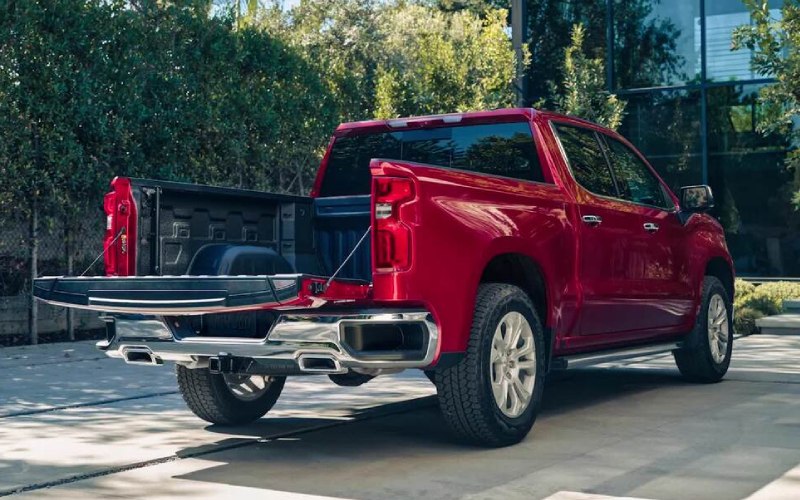
Work, Recreation, and Fleet Use: Feature Checklists
- Payload target: Estimate the heaviest combined weight of tools, passengers, and bed cargo — match to the yellow door jamb payload label.
- Towing package items: Confirm receiver class, 7/4-pin wiring, integrated brake controller, upgraded cooling, and tow mirrors on the actual VIN.
- Bed and cab priorities: Decide between Regular, Extended/Double, or Crew Cab; choose 5.5-, 6.5-, or 8-foot beds based on jobsite needs and parking.
- Off-road essentials: Look for skid plates, recovery hooks, all-terrain tires, locking differential, and trail cameras on select trims.
- Winter readiness: Validate remote start, heated seats, block heater (diesel), all-weather mats, and strong battery CCA ratings.
- Fleet and uptime: Consider telematics, easy-to-clean interiors, and standardized equipment across units to simplify maintenance.
Whether you are hauling lumber all week or towing a camper to the high country, the right configuration matters more than the badge. Many Colorado drivers choose half-ton V8 or turbocharged V6 power for flexible payload and occasional towing, while others prefer 3/4-ton or 1-ton capability for frequent heavy trailers. If off-pavement travel is part of the plan, prioritize ground clearance, underbody protection, and the right tires before adding appearance items. Urban and suburban routes benefit from 360-degree camera systems, bed steps, and multi-function tailgates that simplify loading and tight parking. For military moves and rotating assignments near Fort Carson, fold-flat rear storage, trailer hook-up guidance, and a smooth 10-speed can make frequent miles easier. When you are ready to compare, bring a list of must-haves and nice-to-haves; we will align specs, confirm tow/payload labels, and show how Ford and Chevrolet options fit your workflow in Colorado Springs, CO. Trade-in valuations and quick pre-qualification keep the process efficient from the first test-drive to delivery.
FAQ
Frequently Asked Questions:
Which used Ford or Chevrolet is best for towing a midsize RV?
For frequent towing in hilly terrain, a properly equipped 1/2-ton with a V8 or high-output turbocharged engine and the factory max tow package is a strong choice. For heavier travel trailers or long interstate grades, a 3/4-ton with a gas V8 or Duramax/Power Stroke diesel offers added cooling capacity, axle strength, and braking confidence.
How do I verify a truck’s tow rating on a specific vehicle?
Check the door jamb payload label, axle ratio on the axle code, and factory equipment on the window sticker or build sheet. Confirm receiver class, wiring, integrated brake controller, and upgraded cooling. Ratings vary by cab, bed, drivetrain, and axle ratio, so rely on the actual VIN, not a general brochure figure.
Gas or diesel for mountain towing?
Gas engines suit moderate, occasional towing with simpler maintenance and lower upfront cost. Diesel engines excel at sustained heavy towing thanks to higher torque and exhaust braking on select models, but require diligent maintenance and diesel-specific service.
What ownership costs should I plan for the first year?
Budget for high-quality tires, brake service, fresh fluids, filters, and a battery check. Add a wheel alignment, cabin and engine air filters, and wiper blades. If you tow, include trailer tire and brake inspections. These steps stabilize costs and protect reliability.
Is any warranty coverage available on qualifying used trucks?
For qualifying gas-engine vehicles that meet age and mileage criteria with certain exclusions, a limited 2-month/2,000-mile powertrain warranty may be included, covering engine, transmission, transfer case, and differential. McCloskey Truck Town explains eligibility and helps maintain records when you service with our team.
Your Next Step: Test-Drive Ford and Chevrolet Trucks
The best comparison is hands-on. Bring your trailer weight estimates, cargo needs, and top priorities, and plan a back-to-back drive of Ford and Chevrolet trucks on the same day. Listen for quiet cabins under load, feel transmission shift quality on grades, and test trailering cameras and brake controllers in a safe lot. If your routes combine jobsite miles with weekend towing, verify how each truck handles stop-and-go traffic, highway merges, and parking. Ask about maintenance history, fluid condition, and any accessories that could affect payload, such as toolboxes, tonneau covers, or lift kits. Our team will walk through tow and payload labels, axle ratios, and drive modes, and outline a service plan tailored to your use. With pre-qualification and a transparent trade-in process, you can focus on choosing capability and comfort. From first test-drive to setup tips for hitches, mirrors, and weight distribution, we are ready to help you match the right used Ford or used Chevrolet to your life from Colorado Springs up to Pueblo — and make the handoff smooth so the first trip feels as confident as the hundredth.