First Truck? What Colorado Parents Should Know Before Buying
First Truck? What Colorado Parents Should Know Before Buying
Buying a first truck for a teen driver requires more thought than finding a Colorado truck for sale that fits the family budget. Colorado Springs parents also need to consider vehicle size, safety equipment, insurance, winter traction, and how a new driver will handle I-25, Academy Boulevard, Highway 24, and mountain roads around the Pikes Peak region. A truck can be practical for school, work, outdoor activities, and family use, but a full-size pickup is a lot of vehicle for someone who is still developing judgment behind the wheel. This guide explains what to look for, where midsize and compact trucks make sense, and why a used truck may be the more practical first purchase.
Safety equipment should guide the first truck search
Safety comes before bed length, engine output, appearance, or off-road accessories. Parents should start by reviewing the vehicle’s current crash-test ratings through sources such as the Insurance Institute for Highway Safety’s safe-vehicle resources, then confirm that the specific year and trim include the equipment the family expects. A vehicle’s safety reputation can change by model year, so the exact truck should be evaluated rather than relying only on a model name. Stability control is important because it can help the vehicle remain composed when a driver makes a sudden steering correction or encounters reduced traction. Side airbags add protection in certain side-impact collisions, while a backup camera helps a new driver judge the space behind a taller vehicle. Automatic emergency braking, forward-collision warning, lane-departure alerts, blind-spot monitoring, and parking sensors may also be useful depending on the vehicle and trim.
A full-size truck can provide substantial occupant protection, but its size creates additional responsibilities for a new driver. The longer wheelbase and wider body require more room in school parking lots, crowded shopping centers, and older residential streets in Colorado Springs. A higher seating position improves outward visibility in some situations, but it does not eliminate blind spots around the bed, rear corners, or front bumper. More mass also means a driver may need more distance to slow down, particularly on wet, icy, or snow-covered roads. Parents should spend time in the driver’s seat and passenger seat before buying, checking whether the teen can see the mirrors, reach the controls, judge the corners, and maintain a comfortable driving position. Safety features help, but they do not replace practice, supervision, or conservative driving habits.
Midsize and compact trucks may be easier for a new driver to manage
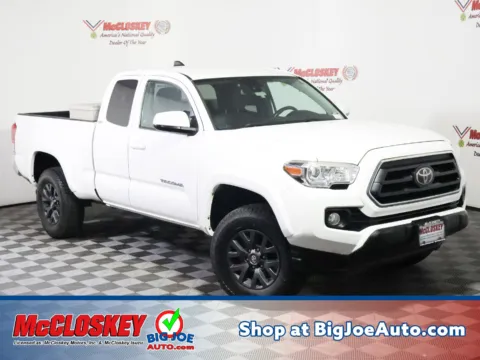
For many families, a midsize or compact truck offers a more balanced starting point than a full-size pickup. Models such as the Toyota Tacoma, Chevrolet Colorado, and Ford Ranger provide an open bed and available four-wheel drive (4WD) while taking up less space than a Ford F-150, Chevrolet Silverado 1500, GMC Sierra 1500, or RAM 1500. A smaller truck is generally easier to park, easier to place within a lane, and less intimidating when a new driver is learning how much room the vehicle needs. It also may have less engine output and a lower curb weight than a full-size truck, which can make throttle control and emergency maneuvering easier to learn. That does not make every midsize truck automatically safer, since equipment, tires, condition, and crash-test performance still matter. It does mean that the vehicle may be less likely to get away from a new driver during a rushed turn, sudden lane change, or slippery-road correction.
A compact or midsize truck can also fit the way most teens actually use a first vehicle. Sports equipment, camping gear, musical equipment, and occasional home-improvement items do not typically require the payload or towing capacity of a heavy-duty pickup. A truck such as a Tacoma, Colorado, or Ranger may offer enough capability for everyday needs while preserving easier maneuverability around Fort Carson, Monument, Fountain, and school areas. The Honda Ridgeline is another type of option to consider because its unibody construction and crossover-like road manners may feel more familiar to a driver moving from a sedan or SUV. If your teen needs a truck for a specific trailer, livestock, or work application, calculate the loaded trailer weight and payload requirements first, then select the smallest vehicle that meets them.
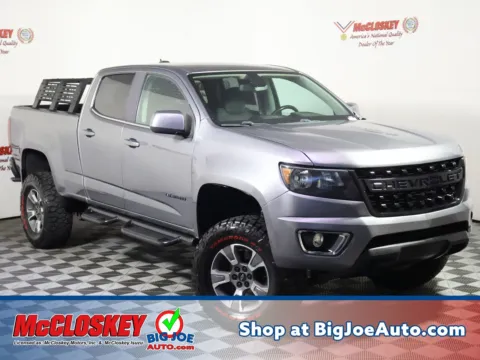
McCloskey Truck Town’s current truck inventory can include midsize options such as a used Chevrolet Colorado, a used Ford Ranger, and a used Toyota Tacoma, depending on current availability. Older vehicles may not include the same driver-assistance systems as newer models, so our team recommends checking the equipment on the specific truck rather than assuming a feature is included. Parents should test the backup camera in daylight and low light, inspect the condition of the tires, and confirm that the stability-control and airbag systems show no warning lights. A test drive should include city streets, a controlled highway merge, parking maneuvers, and careful braking in a safe location. These steps provide a clearer picture of whether the truck fits the driver than a short loop around a dealership lot.
Insurance can change the cost of a first truck
The purchase price is only one part of the budget. Teen drivers are expensive to insure, and full-size trucks or V8-powered models usually cost more to insure than smaller, less powerful alternatives. Repair costs, replacement parts, theft history, engine output, vehicle value, crash history, and the location where the truck is kept can all affect the quote. Colorado Springs parents should request insurance estimates for the specific vehicle identification number, or VIN, before signing paperwork. Comparing a midsize truck with a full-size V8 truck may reveal a meaningful difference in the monthly cost of ownership.
Safety equipment and responsible driving may help with insurance costs, although discounts vary by carrier and do not apply automatically. Ask whether the insurer offers good-student, driver-training, safe-driver, or telematics discounts. Stability control, airbags, automatic emergency braking, and other safety systems can contribute to a favorable risk profile, but the insurer makes its own determination. A clean driving record can help over time, while speeding tickets, distracted driving violations, and at-fault collisions may affect premiums more than the choice between two similar trucks. Getting the insurance quote before buying gives the family a more complete view of the budget.
Colorado winter driving requires more than 4WD
4WD can help a truck get moving on snow, gravel, or a steep mountain road, but it does not help the truck stop on ice. Braking performance still depends on tire condition, road speed, following distance, brake condition, and the driver’s decisions. A teen may feel more confident when the front and rear axles are driving together, then carry too much speed into a corner because the truck feels planted. Parents should teach the difference between traction for acceleration and traction for braking, especially before winter trips toward Monument Hill, Woodland Park, or Pueblo.
Tires deserve close attention on any used truck for a new driver. Check tread depth, age, sidewall condition, uneven wear, and whether the tires are appropriate for Colorado’s changing weather. All-season tires may be adequate for some drivers, while dedicated winter tires can provide additional cold-weather grip when conditions require them. Snow packed into the bed can also change the truck’s balance, and an empty pickup bed may have less weight over the rear axle than a teen expects. Supervised practice should include gentle braking, smooth steering, longer following distances, and controlled use of 4WD before the first serious storm.
Mountain driving adds another layer of responsibility. Descending a grade requires speed management before the turn, not aggressive braking after the truck is already carrying too much momentum. The driver should watch for cyclists, wildlife, stopped traffic, shaded ice, and changing conditions near the summit. Parents can teach the teen to avoid abrupt steering inputs, maintain a larger gap, and pull over safely when visibility or road conditions deteriorate. Those habits matter more than choosing a truck with the most aggressive tires or highest ground clearance.
Buying used can make sense for a first truck
Used trucks are often a sensible choice for a first vehicle because depreciation has already absorbed part of the initial ownership cost. A first-time driver may encounter parking-lot scrapes, minor bumper damage, or cosmetic wear, and those mistakes can be less stressful in a well-selected used truck than in a new vehicle. Buying used also gives parents more flexibility to compare midsize and full-size options, safety equipment, mileage, service history, and insurance costs within one budget. The key is to buy from a dealership that inspects its vehicles, provides clear vehicle information, and offers support after the sale.
McCloskey Truck Town maintains more than 250 pre-owned cars, trucks, SUVs, and vans, with over 120 trucks on the lot according to current dealership information. Inventory changes, but families may find everything from midsize trucks to half-ton pickups in several configurations. Our team can help compare a first truck with a used SUV if the family decides that enclosed cargo space, easier rear-seat access, or more predictable winter handling fits the driver better. In-house service and repair support also gives parents a practical place to address maintenance after the purchase.
Qualifying vehicles may include the McCloskey Limited Powertrain Warranty with 2-month or 2,000-mile coverage. Eligibility applies to gas-engine vehicles that are 10 model years old or newer and have fewer than 120,000 miles. Covered components include the engine, transmission, transfer case, and differential, while exotics, high-performance vehicles, altered vehicles, and diesel vehicles are excluded. Warranty eligibility and coverage should be confirmed for the specific truck before purchase. Parents can review the current used truck inventory, compare available configurations, and use the tools at BigJoeTruckTown.com to review financing and pre-qualification options.
A first-truck checklist for Colorado parents
Before choosing a Colorado pickup for sale, work through these questions:
- Safety equipment: Does the specific trim include stability control, side airbags, a backup camera, and the driver-assistance features your family wants?
- Crash ratings: How does that exact model year perform in current IIHS and federal safety testing?
- Size: Can the teen comfortably park, reverse, merge, and maintain lane position without feeling overwhelmed?
- Power: Does the engine provide useful capability without offering more performance than the driver can responsibly manage?
- Winter setup: Are the tires in good condition, and does the teen understand that 4WD helps with moving but not stopping?
- Insurance: Has the insurer quoted the exact VIN, including any good-student or safe-driver discounts?
- Condition: Has the truck been inspected for brakes, tires, suspension, steering, fluids, warning lights, and prior alterations?
- Ownership support: Does the dealership provide service resources and a clearly explained warranty for qualifying vehicles?
The right first truck is not necessarily the largest or most powerful option. For many Colorado Springs families, a well-maintained midsize truck with strong safety equipment, manageable dimensions, suitable tires, and a clear ownership history provides a more useful learning platform than a full-size pickup. Parents searching for truck dealers in Colorado Springs, Colorado Springs truck dealers, or used truck dealerships in Colorado Springs can review the vehicle in person and compare it with other choices before making a decision. Visit McCloskey Truck Town at 5515 N. Academy Blvd. in Colorado Springs, review the available trucks, and contact our team at (719) 685-7007 when you are ready to discuss the right fit.