The Truth About Lifted Trucks in Colorado: What You Gain and What You Lose
The Truth About Lifted Trucks in Colorado: What You Gain and What You Lose
Choosing a vehicle in the Pikes Peak region often involves balancing aesthetic desires with the brutal realities of high-altitude driving and variable mountain weather. For many enthusiasts in Colorado Springs and surrounding communities like Monument and Fountain, the lifted truck represents the ultimate expression of capability and rugged design. While these modified vehicles offer undeniable presence and improved ground clearance for weekend excursions, they also introduce a series of engineering trade-offs that can significantly impact your daily commute on I-25. Understanding the physical and financial implications of a suspension lift is essential before you commit to a purchase. Our team at McCloskey Truck Town believes in providing a transparent look at how these modifications alter the driving experience so you can make an informed decision for your lifestyle.
The Aesthetic Appeal and Practical Ground Clearance of Lifted Trucks
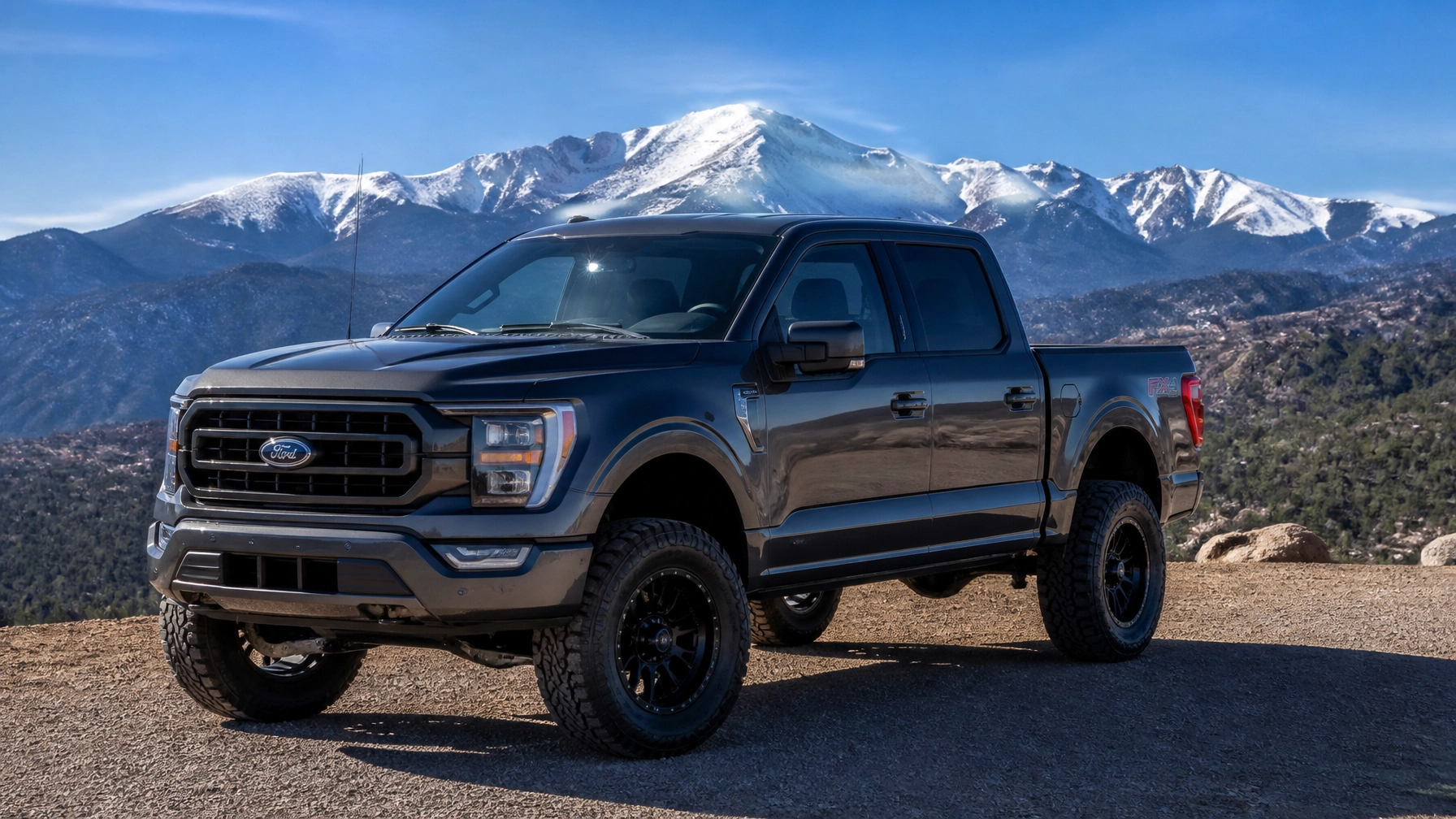
The primary reason many drivers seek out lifted trucks in Colorado is the immediate increase in ground clearance, which provides a distinct advantage when navigating unplowed side streets or rutted forest roads near Woodland Park. By raising the chassis several inches away from the ground, you effectively increase the approach, departure, and breakover angles of the vehicle. This means you are far less likely to scrape your front valence on a steep driveway or bottom out the frame when crossing a deep drainage dip in a rural neighborhood. Beyond the mechanical benefits, the elevated seating position provides a commanding view of the road, allowing you to see further ahead in traffic and anticipate hazards before they reach your bumper. This height advantage creates a sense of confidence and security that many stock pickup owners find lacking during their standard daily operations.
Understanding the Handling and Stability Trade-offs
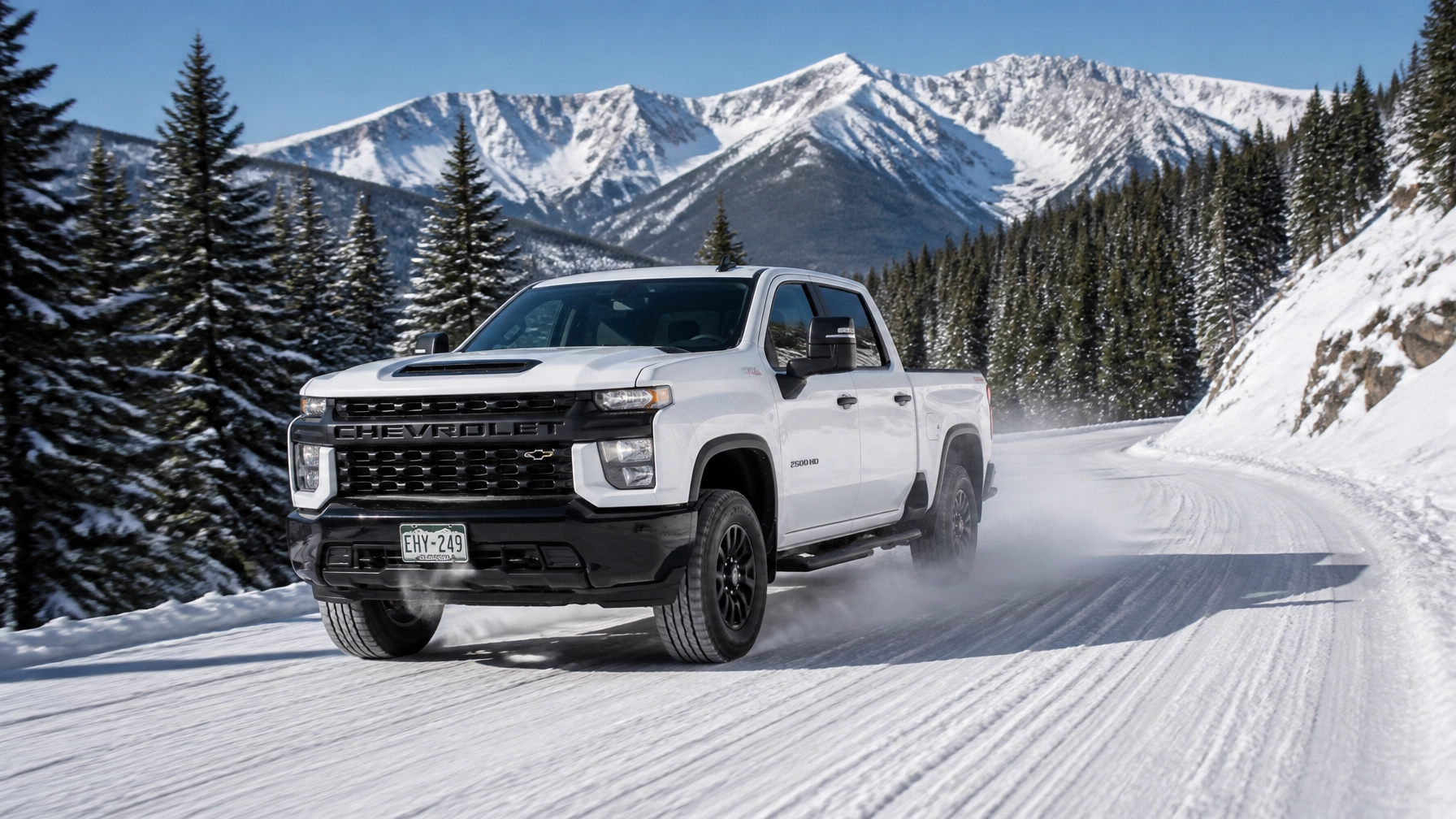
When you install a lift kit or purchase a pre-modified truck, you are fundamentally altering the center of gravity of the vehicle, which has a direct effect on how it behaves in corners and under heavy braking. A higher center of gravity naturally increases body roll, meaning the truck will lean more significantly when you are navigating the winding curves of Highway 24 or making a quick lane change to avoid an obstacle. This change requires a more deliberate driving style; you must learn to enter corners at lower speeds and apply steering inputs with greater precision than you would in a stock configuration. On the icy roads common to Colorado Springs winters, this loss of low-slung stability can make the truck feel more prone to sliding if you are not careful with your throttle and brake applications. Furthermore, the addition of larger, heavier tires increases the rotating mass of each wheel, which can lead to longer braking distances and put additional stress on your factory braking system over time.
The Reality of Fuel Economy and Aerodynamics
One of the most immediate changes you will notice after lifting a truck is a measurable decrease in fuel efficiency, often ranging from two to five miles per gallon depending on the height and tire choice. This drop occurs because the lift exposes more of the undercarriage to the wind, creating significant aerodynamic drag that the engine must work harder to overcome at highway speeds. The larger, more aggressive tread patterns of all-terrain or mud-terrain tires further exacerbate this issue by increasing rolling resistance against the pavement. While a modern half-ton truck might achieve 20 miles per gallon in stock form, that same vehicle with a six-inch lift and 35-inch tires might struggle to maintain 15 miles per gallon during a commute to Denver. These increased fuel costs are a permanent part of the ownership experience and should be factored into your monthly budget alongside your loan payment and insurance premiums.
Navigating Garage Clearance and Urban Infrastructure
Before you finalize a deal on a towering 4x4, you must consider the physical constraints of the places you visit most often, including your own home and local parking structures. Most standard residential garage doors in Colorado Springs are between seven and eight feet tall, and a truck with a substantial lift and oversized tires can easily exceed these dimensions. This reality often forces owners to park their valuable investment in the driveway, exposing it to the intense Colorado sun and potential hail damage during the summer months. Urban infrastructure in downtown Colorado Springs and medical complexes near North Academy Boulevard often features low-clearance parking garages that can be completely inaccessible to a lifted vehicle. Even drive-thru lanes at banks or fast-food restaurants can become a source of anxiety if your roofline or radio antenna is brushing against the clearance bars.
Ride Quality and Maintenance Considerations for Long-Term Ownership
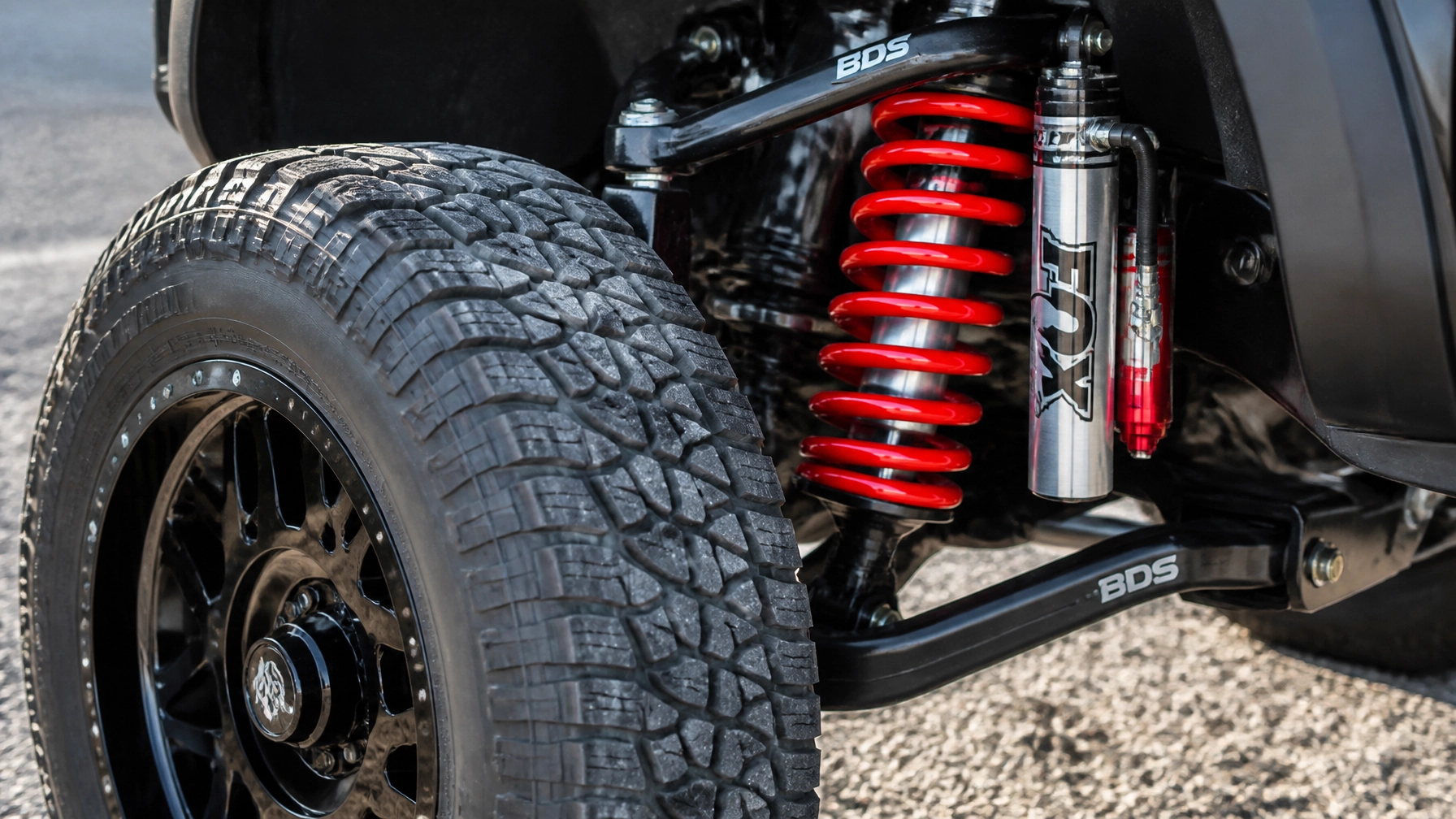
The quality of your ride on the I-25 corridor will be largely determined by the type of lift kit installed and the quality of the shock absorbers paired with the system. While high-end suspension systems can actually improve ride quality by utilizing progressive-rate springs and remote-reservoir shocks, many entry-level "spacer" lifts can result in a stiffer, more jarring experience over potholes and expansion joints. You must also account for the increased wear and tear on suspension components like ball joints, tie rod ends, and CV axles, as the lift changes the operational angles of these parts. Regular inspections at our service center are vital for maintaining the safety and longevity of a modified truck, especially when it is used for heavy towing or frequent off-road travel. Our team at McCloskey Truck Town can help you evaluate the condition of a lifted vehicle's suspension to ensure it meets our high standards for reliability and performance.
Why Choosing a Professionally Managed Inventory Matters
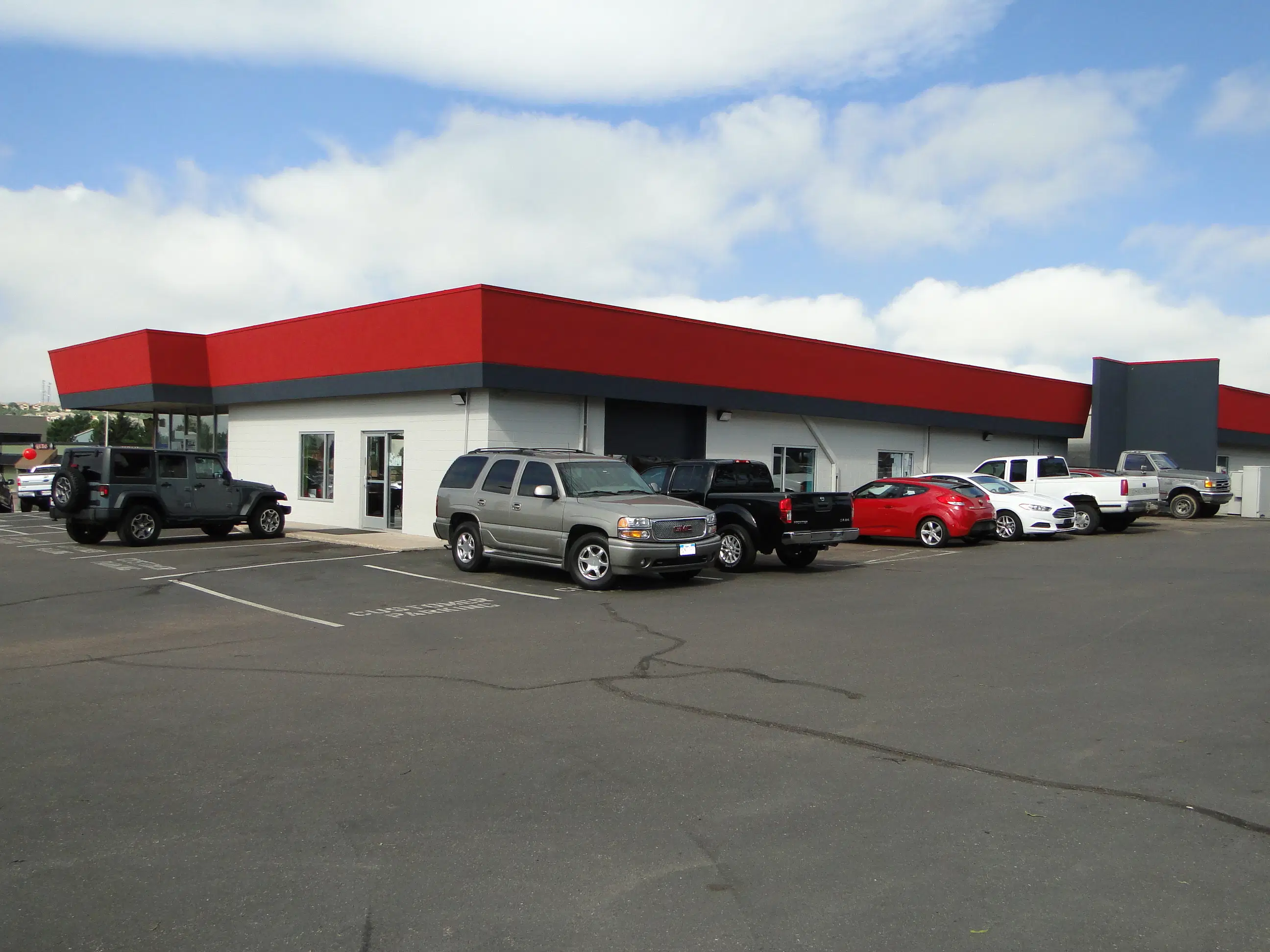
Finding the right balance between a rugged look and daily drivability is easier when you have access to a massive selection of vehicles that have already been vetted for quality and safety. At McCloskey Truck Town, we maintain an inventory of over 250 units, including various trucks and SUVs that have been leveled, lifted, or kept in their original factory configuration. We specialize in helping buyers understand the nuances of each setup, whether you are looking for a diesel-powered heavy-duty truck for mountain towing or a nimble mid-size pickup for exploring trails. Many of our qualifying gas-powered vehicles that are ten model years or newer with under 120,000 miles come with the McCloskey Limited Powertrain Warranty, providing you with two months or 2,000 miles of coverage on essential components like the engine and transmission. This peace of mind is a cornerstone of our commitment to transparent service and customer satisfaction in the Pikes Peak region.
Finding Your Next Vehicle at BigJoeTruckTown.com
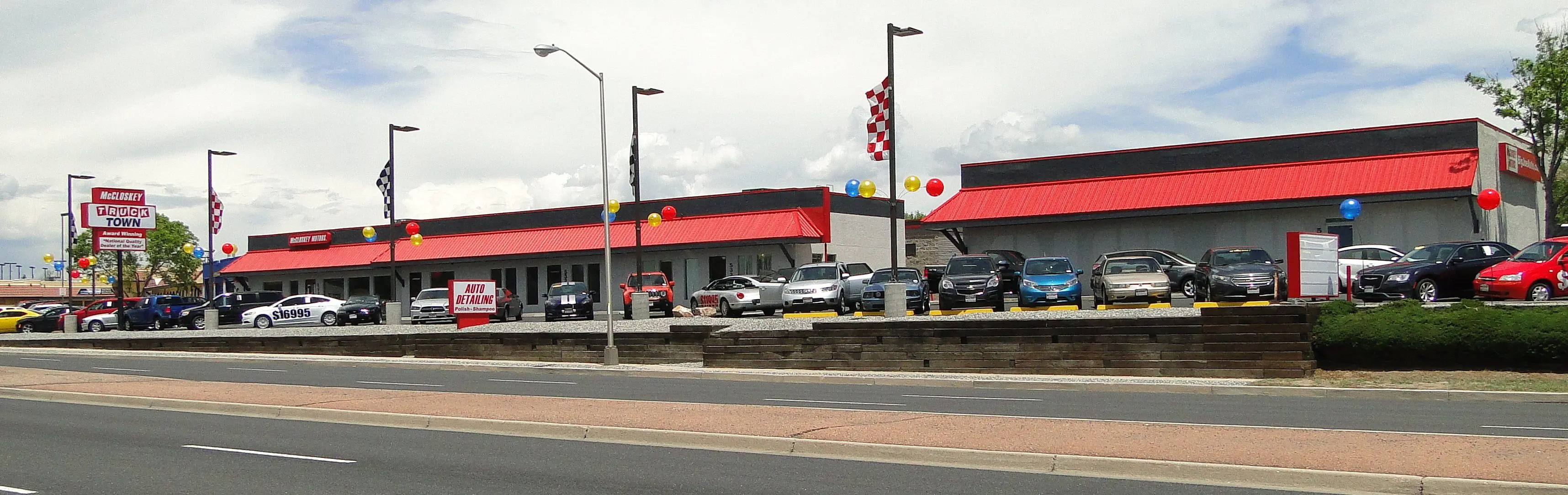
If you are ready to explore the world of 4x4 capability, we invite you to browse our current selection and use our digital tools to simplify the buying process. You can start by getting a quick online pre-qualification for financing or use our trade-in tool to see what your current vehicle is worth in today's market. Our dealership is recognized as a leader in the industry, having earned the NIADA National Quality Dealer of the Year award and eight consecutive BBB Excellence in Customer Service awards. We are here to serve as your partner in the automotive journey, ensuring you drive home in a vehicle that handles the Colorado Springs landscape with ease. Visit us at 5515 N Academy Blvd to see our impressive inventory in person and experience the friendly service that has made us a staple of the local community.
Frequently Asked Questions About Lifted Trucks
How much does a lift kit typically affect my truck's fuel economy? In most cases, you can expect a decrease of two to five miles per gallon depending on the height of the lift and the weight of the tires you choose. The aerodynamic drag created by the higher profile and the increased rolling resistance of aggressive tires are the primary contributors to this loss.
Will a lifted truck still fit in a standard 7-foot garage door? A truck with a modest two-inch leveling kit or a small lift will often fit, but once you move to a four-inch lift or higher with 35-inch tires, you will likely exceed the clearance of a standard residential garage. It is always best to measure your specific vehicle's height from the highest point, which is often the satellite antenna or the center of the cab roof.
Does lifting a truck void the manufacturer's warranty? Modifying a vehicle can affect specific parts of your warranty if the modification is found to be the cause of a component failure. However, many of the pre-owned vehicles at McCloskey Truck Town come with our own Limited Powertrain Warranty for qualifying units, which provides an extra layer of protection for your engine and transmission regardless of minor suspension changes.
How does a lift kit change the way a truck handles on snowy Colorado roads? A lift kit raises the center of gravity, which can make the vehicle feel more top-heavy and less stable during sudden maneuvers or on slick, icy surfaces. While you gain ground clearance for deep snow, you must be more cautious with your speed in corners to compensate for the increased body roll and potential for loss of traction.