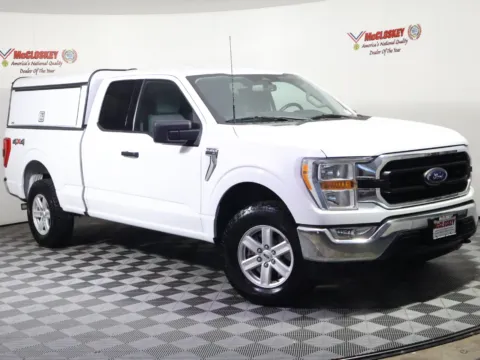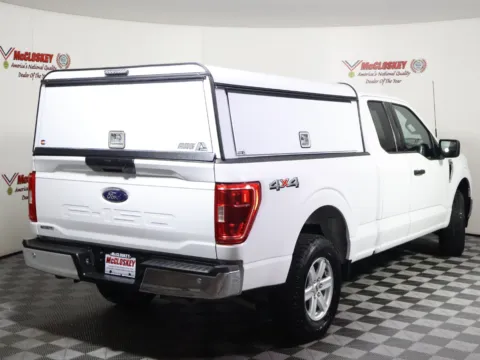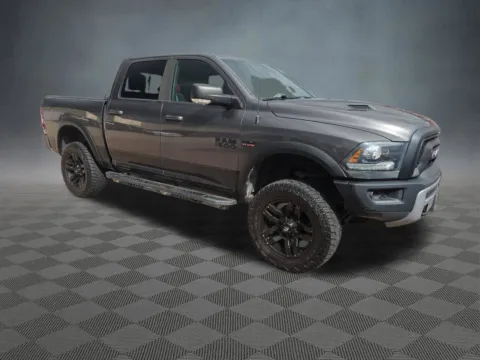
Used Flatbed Trucks for Sale in Colorado Springs, CO
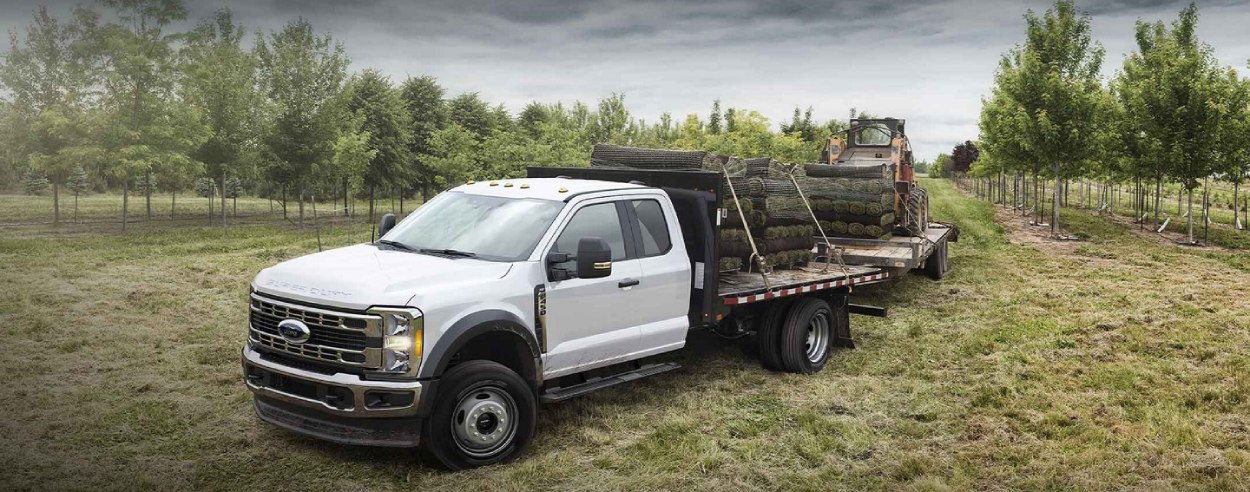
When work demands a platform that is as tough as your schedule, a used flatbed truck delivers the flexibility, payload, and durability today’s jobs require. From hauling construction materials and landscaping equipment to supporting utilities and ranch operations, a well-chosen pre-owned flatbed can streamline your day while keeping operating costs in check. Expect choices that span light-duty to Class 3 and Class 4 chassis, single or dual rear wheels, gas and diesel powertrains, and bed materials ranging from rugged tread-plate steel to lighter-weight aluminum. Many units arrive with integrated headache racks, stake pockets, underbody toolboxes, hitch packages, and tiedown solutions that make loading and securing cargo fast and repeatable. In a high-altitude market, gearing, cooling, and braking performance matter, and a careful inspection of frame integrity, suspension components, and upfit wiring is essential.
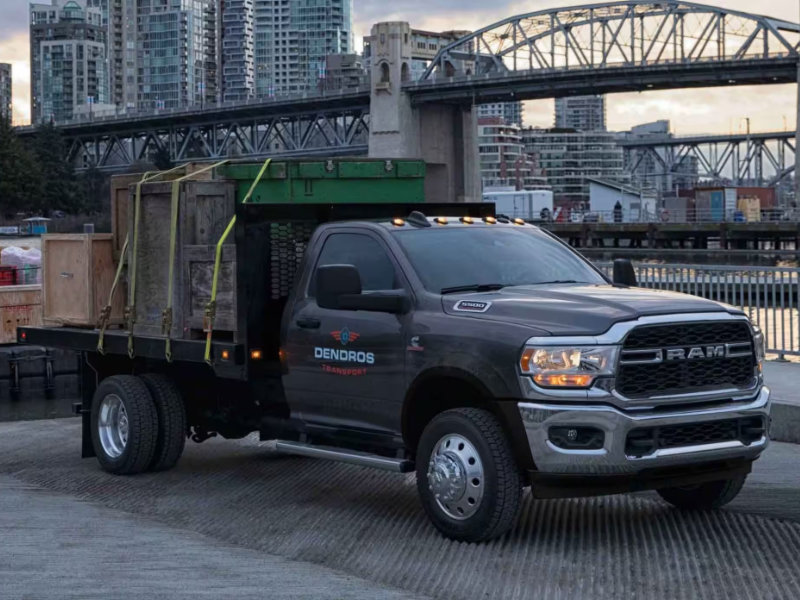
Every work truck earns its keep in different ways, so it pays to match GVWR and payload to your typical load profile and towing routine. Look for signs of professional maintenance, tidy wiring on auxiliary lights and liftgates, smooth PTO engagement where equipped, and a flat, straight deck that aligns cleanly at the bulkhead. Thoughtful touches like removable stake sides, side steps, and rear receiver or gooseneck hitches can widen a truck’s usefulness across seasons. Just as important, a strong service partner helps you keep your investment productive long after delivery. Our approach emphasizes reconditioning essentials, transparent condition summaries, and a guided selection process that prioritizes your use case. Whether you run a single rig or a growing fleet, the right used flatbed found in Colorado Springs, CO can provide the capability you need, the adaptability you want, and the value your balance sheet will appreciate. Count on McCloskey Truck Town for a straightforward path to a work-ready flatbed that fits your operation.
What to Look For in a Pre-Owned Flatbed
- GVWR and payload rating: Verify ratings align with real-world cargo and trailer weights.
- Frame and corrosion: Inspect rails, crossmembers, and welds for rust, cracks, or repairs.
- Powertrain and gearing: Match engine torque and axle ratios to altitude, grades, and towing.
- Bed material and condition: Check deck flatness, surface wear, and fastener integrity.
- Tiedowns and protection: Confirm stake pockets, D-rings, and headache rack are secure.
- Towing equipment: Evaluate receiver, gooseneck, or fifth-wheel hardware and wiring.
- Upfit readiness: Review PTO, auxiliary switches, liftgate hydraulics, and lighting.
- Running gear: Assess tires, brakes, suspension bushings, and steering components.
- Service history: Look for documented maintenance and fluid change intervals.

A thoughtful inspection begins with ratings and ends with drivability under load. Start by confirming the door-jamb certification labels and matching the flatbed upfit to the chassis rating. Examine the deck for oil saturation, cupping, or uneven wear that could signal heavy point loads. Crawl under the frame to check for scale at spring hangers, body mounts, and crossmembers, then follow the harness to verify that trailer plugs, brake controllers, and auxiliary circuits are tidy and fused correctly. On the test drive, listen for bearing hum, feel for brake pulsation, and pay attention to shift quality on grades. If you intend to tow frequently, ensure transmission temps stay stable and that the cooling stack is clean. For diesel candidates, evaluate cold starts, idle smoothness, and regen history where applicable. Finally, decide what matters most day to day—payload, towing, maneuverability, or fuel economy—and select the package that best fits your heaviest, most frequent jobs rather than occasional extremes.
Inventory Depth, Capability, and Local Know-How
A strong flatbed lineup should span wheelbases, cab configurations, and duty classes so you can balance payload with maneuverability and total cost of ownership. Expect the range to include gas V8 and V10 options for simple maintenance as well as torque-rich diesels for sustained towing, often paired with factory tow packages, integrated brake controllers, and smart cooling. Bed styles vary from low-profile steel platforms designed for forklift access to lighter aluminum decks that resist corrosion. Many units feature integrated underbody boxes to keep straps and chains organized, while removable stake sides provide quick transitions from bulk cargo to palletized freight.
Regional knowledge matters. Grades, altitude, and year-round weather influence axle ratios, tire choices, and brake service intervals. Guidance on spec’ing gearing for hilly routes, choosing appropriate load range tires, and mitigating rust with undercarriage protectants helps keep trucks profitable. From Pueblo to Fort Carson, local operators count on practical recommendations, including when to prioritize 4x4 for job sites or snow routes and when a 4x2 dually offers better payload and lower running costs. McCloskey Truck Town backs that advice with an emphasis on transparency, including condition reporting that covers frames, decks, upfit wiring, and hydraulics. Recognition such as a 4.8-star Google rating, a National Quality Dealer of the Year honor from NIADA, and multiple Better Business Bureau Excellence in Customer Service awards underscores a sustained commitment to quality, process discipline, and customer care that work-truck buyers value.
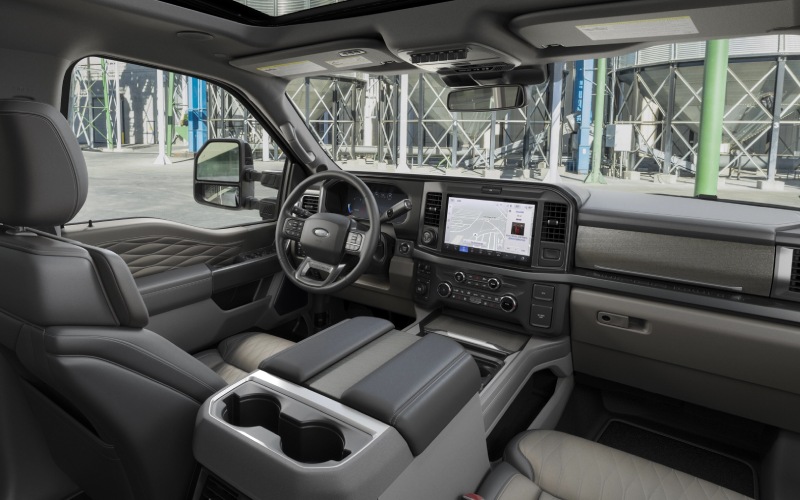
Buying Made Simple: Tools, Service, and Support
- Inventory transparency: Condition highlights focus on frames, decks, upfit wiring, and service items.
- Rigorous reconditioning: Multipoint checks address brakes, tires, fluids, alignment, and lighting.
- On-site service: Certified technicians handle diesel, electrical diagnostics, and fleet maintenance.
- Finance pre-qualification: A quick online form helps align trucks to budget parameters.
- Trade-in valuation: A streamlined tool estimates your current vehicle’s market position.
- Warranty eligibility: Many qualifying vehicles include limited powertrain coverage per guidelines.
- Parts and upfit: Access to OEM parts and accessories supports customization and repairs.
- Fleet support: Assistance with titling, recordkeeping, and maintenance schedules helps uptime.
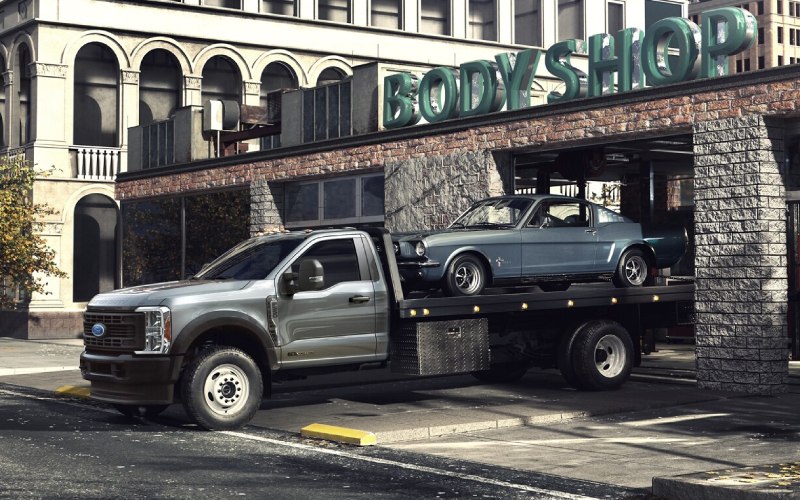
Buying a work truck should be straightforward, not time consuming. Begin online with pre-qualification to define a payment comfort zone, then filter for payload, wheelbase, and hitch setup. Upload trade details to baseline equity and book a visit for an on-the-lift inspection of the truck you are considering. Walk the frame, confirm torque specs on deck fasteners, test electrical circuits on trailer plugs, and verify that liftgates or PTO-driven accessories operate as intended. Discuss warranty eligibility for qualifying units and map out initial service intervals tailored to your route and load patterns. If you plan to add boxes, headache rack lights, or a gooseneck, coordinate parts and installation so the truck delivers work-ready on day one. With this process, you side-step guesswork, shorten lead time, and put a properly spec’d flatbed to work faster, supported by a service team that understands the demands of commercial and vocational operators.
FAQ: Used Flatbed Trucks and Ownership
What sizes of flatbed trucks are typically available?
Expect options from light-duty platforms suited for regional deliveries to heavier Class 3 and Class 4 chassis with dual rear wheels, longer wheelbases, and bed lengths that accommodate pallets, equipment, and materials.
How do I choose between gas and diesel power?
Select diesel for sustained towing, high torque at low rpm, and engine braking on grades. Choose gas for lower upfront costs, simple maintenance, and shorter urban routes with frequent stops.
Can I add a gooseneck or fifth-wheel hitch later?
Yes, many platforms support retrofit hitches. Verify frame condition, bed structure, and wiring provisions, then use professional installation to meet load ratings and maintain safe clearances.
What should I inspect on the flatbed itself?
Check deck flatness, welds, stake pockets, tiedowns, bulkhead integrity, and fasteners. Confirm the bed is square to the frame and that any liftgate or lighting functions reliably under load.
Are service records important for used work trucks?
Yes. Documented oil, filter, coolant, transmission, and brake service builds confidence, supports financing, and reduces the risk of deferred maintenance affecting uptime or longevity.
Is limited powertrain coverage available on used units?
Many qualifying vehicles include a limited powertrain warranty per age, mileage, and fuel-type criteria. Ask which components are covered and how to maintain eligibility.
Do you support fleet buyers with multiple vehicles?
Expect help with uniform spec’ing, titling, maintenance planning, and consolidated service scheduling so trucks enter service quickly and remain productive through the duty cycle.
Next Steps: See Your Flatbed Today
Bring your job specs, typical payloads, and towing requirements, and we will help translate them into the right chassis, gearing, and bed configuration for your work. Start by getting pre-qualified online so you can compare candidates with a clear sense of budget and operating goals. If you have a trade, submit its details to establish a realistic equity position and speed up your visit. On site, plan for a walkaround and test drive that includes a look under the frame, a deck inspection, and a functional check of trailers, lights, and auxiliary equipment. If you intend to add underbody boxes, lighting, or a gooseneck, coordinate those installations upfront so your truck is job-ready on delivery day. When you are ready to put a proven platform to work in Colorado Springs, CO, our team will align the truck’s capabilities to your routes and loads with precision. The quickest way to start is to reach out to McCloskey Truck Town and schedule a time to evaluate the flatbed that fits your business best.