Diesel or Gas? Your 2026 Colorado Truck Buying Guide
Diesel vs Gas Trucks: Colorado Buyer's Guide 2026

Choosing between a diesel vs gas truck is one of the most significant decisions you will face when shopping for your next vehicle in the Pikes Peak region. Here in Colorado, our unique geography and high altitude add a layer of complexity to this choice that drivers in flatter states simply do not have to consider. Whether you are navigating the steep grades of I-25 between Colorado Springs and Pueblo or hauling a trailer up to a mountain campsite near Woodland Park, the engine under your hood determines your comfort and capability. Our team at McCloskey Truck Town understands that every driver has different needs, so we have put together this guide to help you navigate the trade-offs of each powertrain. From fuel efficiency and towing capacity to long-term maintenance costs and resale value, we will break down everything you need to know for the 2026 driving season.
The Altitude Factor: How Colorado Air Affects Your Engine
One of the most important things to understand about driving in Colorado is how elevation impacts engine performance. At 6,035 feet in Colorado Springs, the air is significantly thinner than it is at sea level, and that thin air can choke a naturally aspirated gas engine. Traditional gas engines typically lose about 3 percent of their power for every 1,000 feet of elevation gain, which means that by the time you reach the summit of a 10,000-foot mountain pass, you could be missing nearly a third of your horsepower. This power loss can make a gas truck feel sluggish when you are trying to pass a slower vehicle or maintain speed on a steep grade. If you choose a gas truck, you might find yourself wishing for more grunt when the road starts to incline.
Modern diesel trucks handle high altitudes much more effectively because they are almost exclusively equipped with turbochargers. These turbochargers force more air into the combustion chamber, which helps compensate for the lack of atmospheric pressure at high elevations. This ability to maintain performance is one reason why many Colorado drivers consider a diesel engine to be the gold standard for mountain driving. Even some modern gas trucks now feature turbocharging, such as the Ford EcoBoost models, which helps bridge the gap between traditional gas and diesel performance. However, the raw torque of a diesel engine still provides a distinct advantage when you are operating in the thin mountain air. Selecting the right powertrain for our specific climate is the first step in deciding what is the best truck to buy for your lifestyle.
Towing and Torque: Why Do Trucks Use Diesel for Heavy Loads?
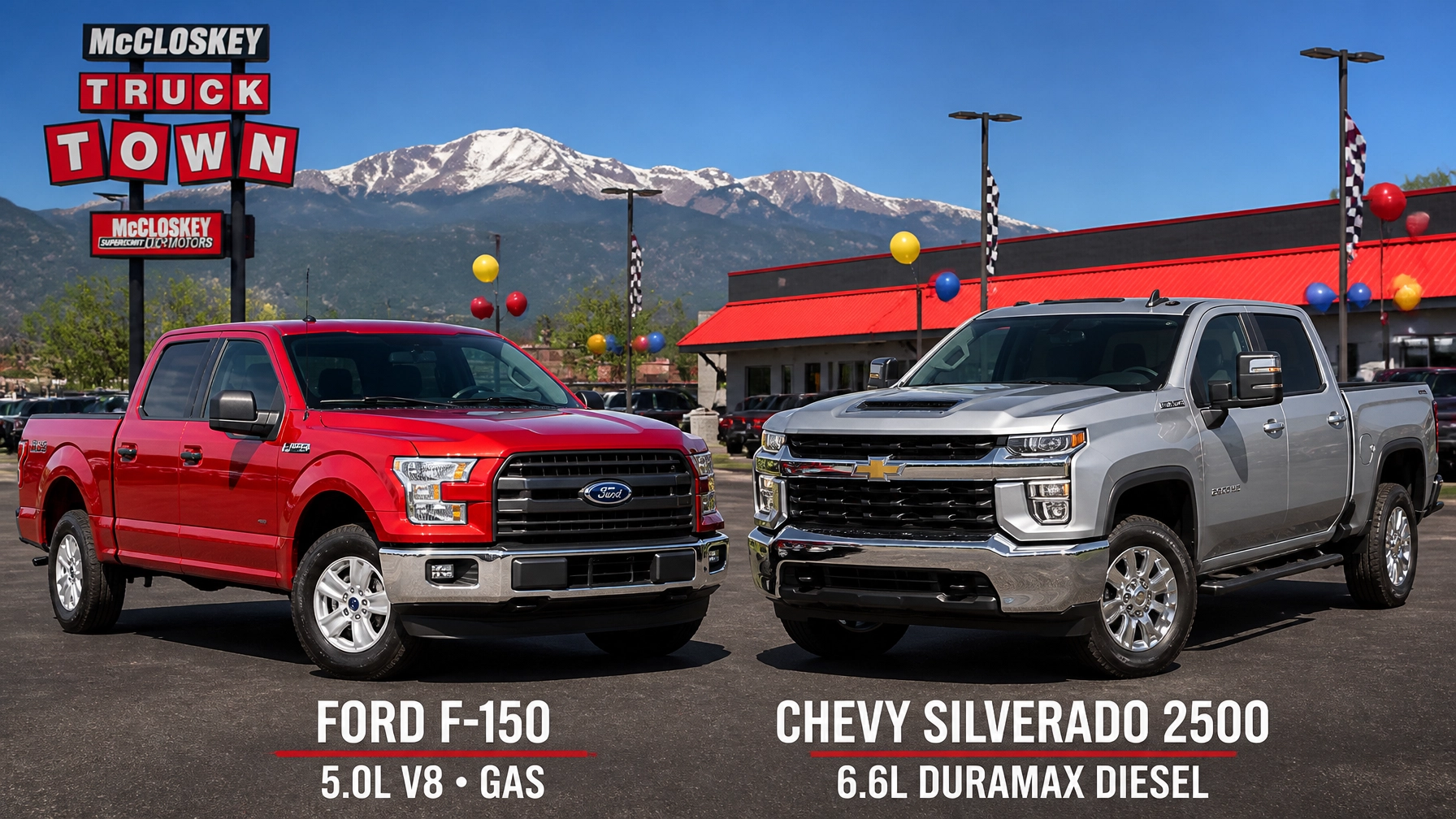
If you plan to do any serious hauling, you have probably wondered: why do trucks use diesel for the heavy work? The answer lies in torque, which is the force that gets a heavy load moving and keeps it moving when the road gets steep. Diesel engines are designed to produce massive amounts of torque at low engine speeds, which is exactly what you need when you are pulling a 10,000-pound trailer. While a gas engine might need to rev high and downshift frequently to stay in its power band, a diesel engine can often chug along at lower RPMs with much less drama. This low-end power makes towing feel more controlled and less stressful for the driver, especially on long, winding descents where the exhaust brake of a diesel can help manage your speed without overheating your service brakes.
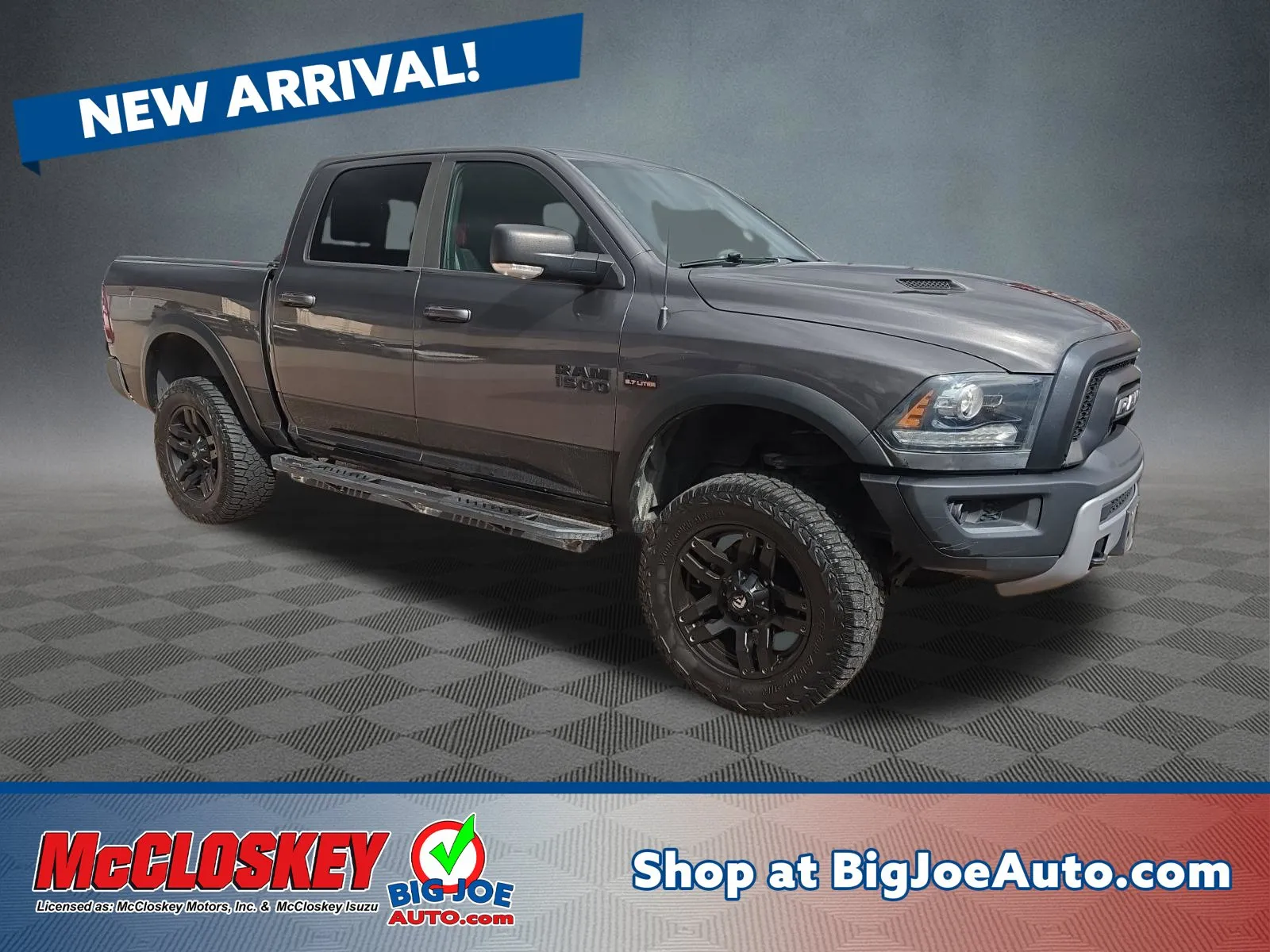
For many owners, the diesel vs gas truck debate is settled the moment they feel that surge of torque on a mountain grade. A diesel engine like the Cummins in a RAM 2500 or the Duramax in a Chevrolet Silverado is built to handle sustained heavy loads without breaking a sweat. If your primary goal is to tow a large RV, a horse trailer, or heavy construction equipment, the diesel powertrain is almost certainly the right choice for you. On the other hand, if you only tow a small boat or a pair of ATVs a few times a year, the extra cost of a diesel might not be justifiable. When you visit our inventory at BigJoeTruckTown.com, you can compare different towing ratings to see which engine matches your specific requirements. We believe that understanding these technical differences is key to finding the best used trucks to buy for your personal or professional needs.
Analyzing the Cost of Ownership: Fuel, Maintenance, and Resale
While the performance of a diesel engine is impressive, it often comes with a higher price tag both at the time of purchase and over the life of the vehicle. Diesel fuel is frequently more expensive than regular unleaded gasoline, though diesel engines typically offer 20 to 30 percent better fuel economy when towing. You also have to factor in the cost of Diesel Exhaust Fluid (DEF), which is a necessary additive for modern emissions systems. Maintenance is another area where gas trucks often have a clear advantage because their engines are simpler and parts are generally cheaper. A typical oil change for a diesel truck requires more oil and more expensive filters than a gas engine, which can lead to higher routine service bills at our McCloskey Service and Repair centers.
The long-term reliability of a diesel engine is legendary, with many units easily reaching 300,000 miles or more if they are properly maintained. However, when something does go wrong with a diesel engine, the repair costs can be significantly higher than they would be for a gas equivalent. High-pressure fuel injectors and emissions components like the Diesel Particulate Filter (DPF) are expensive to replace if they fail out of warranty. Fortunately, many of the vehicles in our inventory qualify for the McCloskey Limited Powertrain Warranty, which provides two months or 2,000 miles of coverage on qualifying gas engine vehicles under 120,000 miles and 10 model years or newer. This warranty can provide extra peace of mind when you are investing in a high-quality used truck. Ultimately, the choice between gas and diesel depends on whether you value lower upfront costs and cheaper maintenance or superior towing performance and long-term durability.
Choosing the Best Used Trucks to Buy for Local Conditions
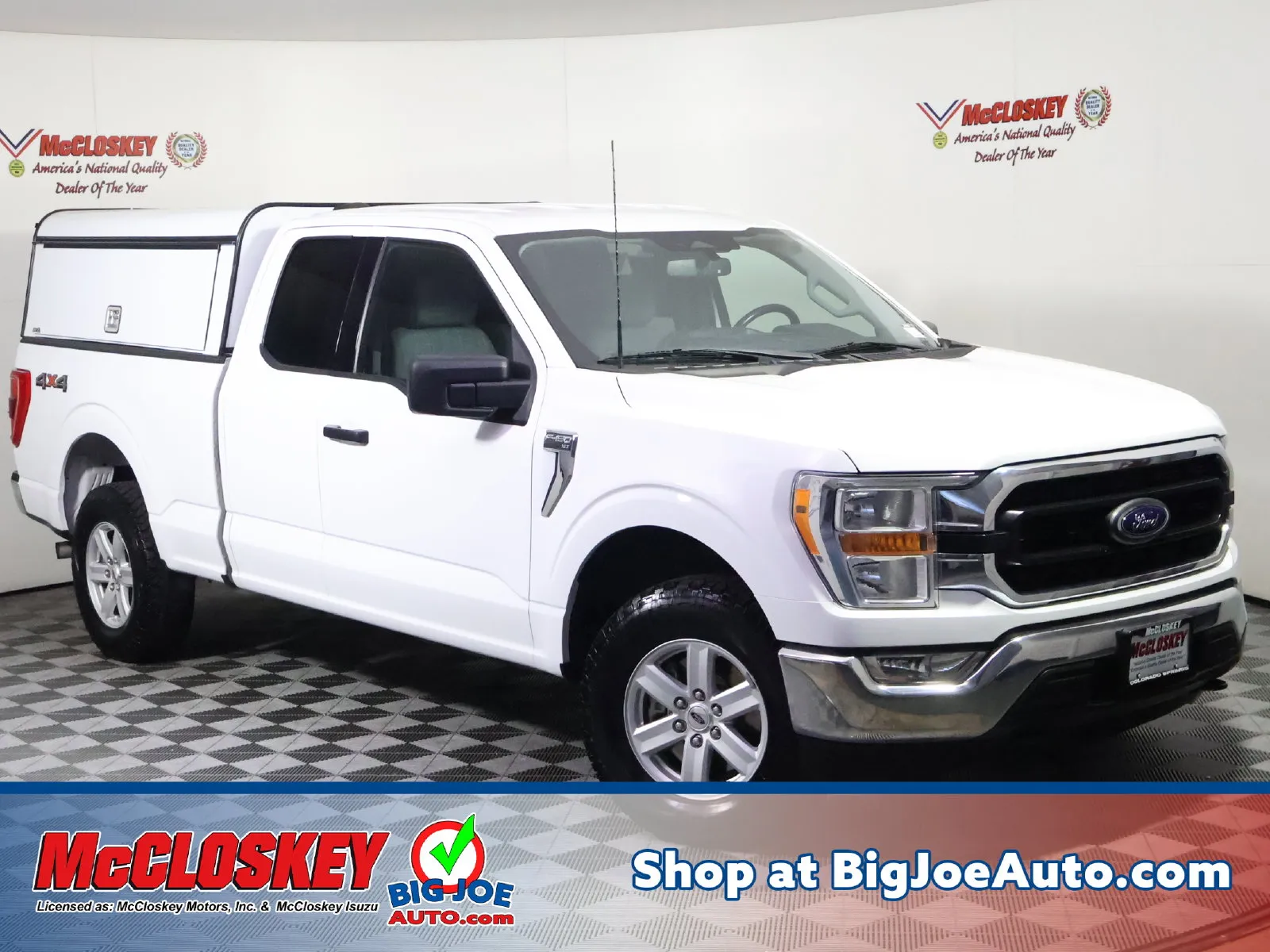
When you are trying to decide what is the best truck to buy for the Colorado Springs area, you need to consider how you will use the vehicle every day. If your truck serves as a daily commuter and only sees occasional weekend adventures, a gas-powered half-ton truck like a Ford F-150 or a RAM 1500 might be the perfect fit. These trucks offer plenty of power for most tasks, they are easier to maintain, and they provide a smoother ride for family trips. Gas trucks are also generally more affordable, which might leave more room in your budget for accessories like a new set of all-terrain tires or a bed liner. Many of our customers in the Pikes Peak region find that a modern gas V8 or a turbocharged V6 provides more than enough capability for their lifestyle.
For those who live in higher elevation communities like Monument or Woodland Park, or for those who work in heavy-duty industries, a diesel truck remains the undisputed king of the road. The ability to climb steep grades with ease and the added safety of an exhaust brake make diesel a favorite for mountain residents. At McCloskey Truck Town, we keep an impressive inventory of over 250 pre-owned vehicles, including a wide selection of both gas and diesel trucks. Our team can help you weigh the pros and cons of each model, ensuring that you drive home in a vehicle that fits your budget and your performance needs. Whether you are looking for a fuel-efficient daily driver or a heavy-duty workhorse, we are here to provide the expert advice and transparent pricing you deserve.

The McCloskey Truck Town Difference
Finding the right truck in Colorado Springs should be a seamless and enjoyable experience, and that is exactly what we strive to provide at McCloskey Truck Town. As an eight-time winner of the BBB Excellence in Customer Service award, we are committed to helping our community find reliable transportation without the high-pressure sales tactics of traditional dealerships. We offer a fast online credit pre-qualification tool at BigJoeTruckTown.com, which allows you to see your options before you even step onto our lot on N. Academy Blvd. Our 15-minute no-wrench inspections and detailed vehicle histories ensure that you are making an informed decision about your next purchase. We also offer trade-in tools to help you get the maximum value for your current vehicle, making it easier than ever to upgrade to the truck you have always wanted.
Our dedication to quality goes beyond the initial sale, as our in-house service and repair network is always ready to keep your truck running at its best. Whether you need a routine oil change for your gas-powered SUV or specialized maintenance for your heavy-duty diesel, our expert technicians have the knowledge and tools to get the job done right. We even offer a car repair loan program for service customers, ensuring that unexpected repairs do not have to disrupt your life. We invite you to explore our current inventory and see for yourself why so many drivers from Fort Carson to Castle Rock trust McCloskey Truck Town for their automotive needs. Visit us today and discover the perfect truck for your next Colorado adventure.
Frequently Asked Questions About Diesel vs Gas Trucks
Which is better for Colorado mountain driving, diesel or gas? While both can handle the mountains, diesel engines are generally preferred for frequent mountain driving because their turbochargers maintain power more effectively at high altitudes. Gas engines lose roughly 3 percent of their power for every 1,000 feet of elevation gain, which can be noticeable on steep passes like Eisenhower or Monarch.
How much more does a diesel truck cost to maintain? Diesel trucks typically cost more to maintain because they require larger quantities of oil and more frequent fuel filter changes. Additionally, components like the fuel system and emissions equipment are more complex and expensive to repair than those on a gas truck.
Is it worth buying a diesel truck if I don't tow heavy loads? For most drivers who do not tow heavy loads regularly, a gas truck is often the more practical and cost-effective choice. The higher initial purchase price and maintenance costs of a diesel are usually only justified by the fuel savings and performance benefits gained during heavy hauling.
What is the best truck to buy for a daily commuter in Colorado Springs? A gas-powered half-ton truck or a mid-size truck like the Toyota Tacoma or Chevrolet Colorado is often the best choice for a daily commuter. These vehicles offer a better balance of fuel economy, ride comfort, and lower maintenance costs for everyday use in the city.
Does McCloskey Truck Town offer a warranty on used diesel trucks? Our McCloskey Limited Powertrain Warranty covers qualifying gas engine vehicles that are 10 model years or newer and have under 120,000 miles. Diesel vehicles are typically excluded from this specific warranty, so we recommend speaking with our team about other available protection plans for diesel trucks.